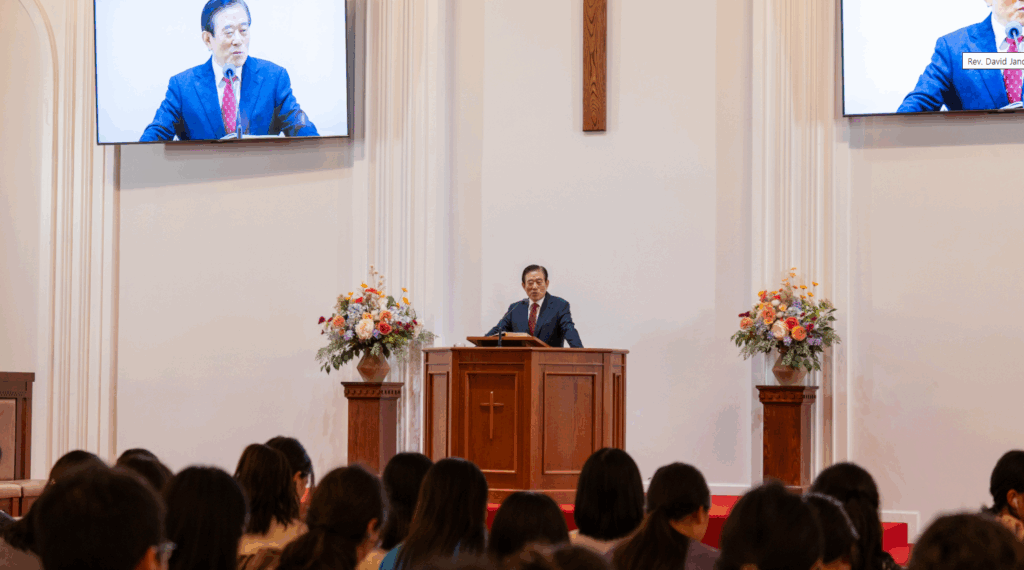
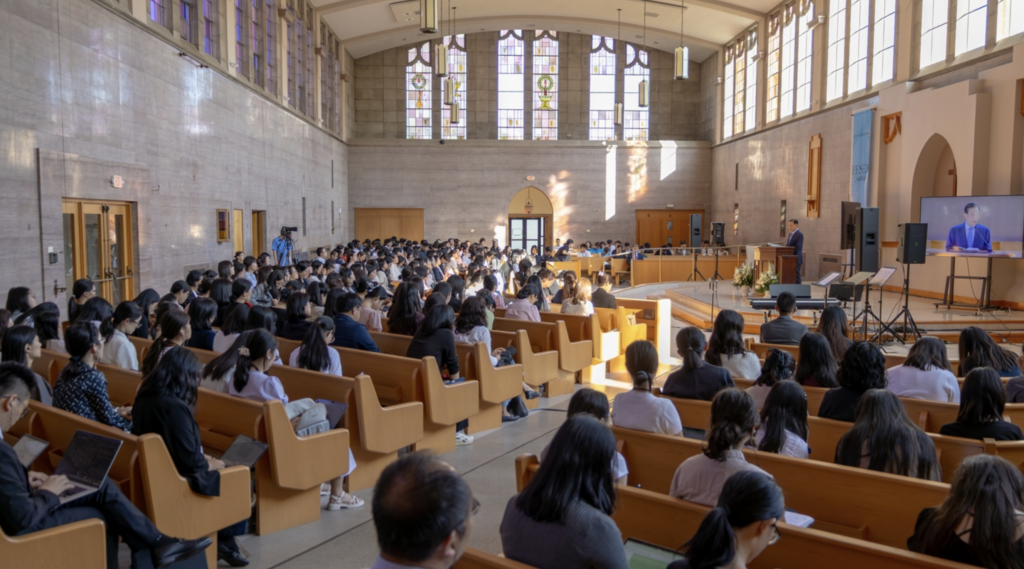
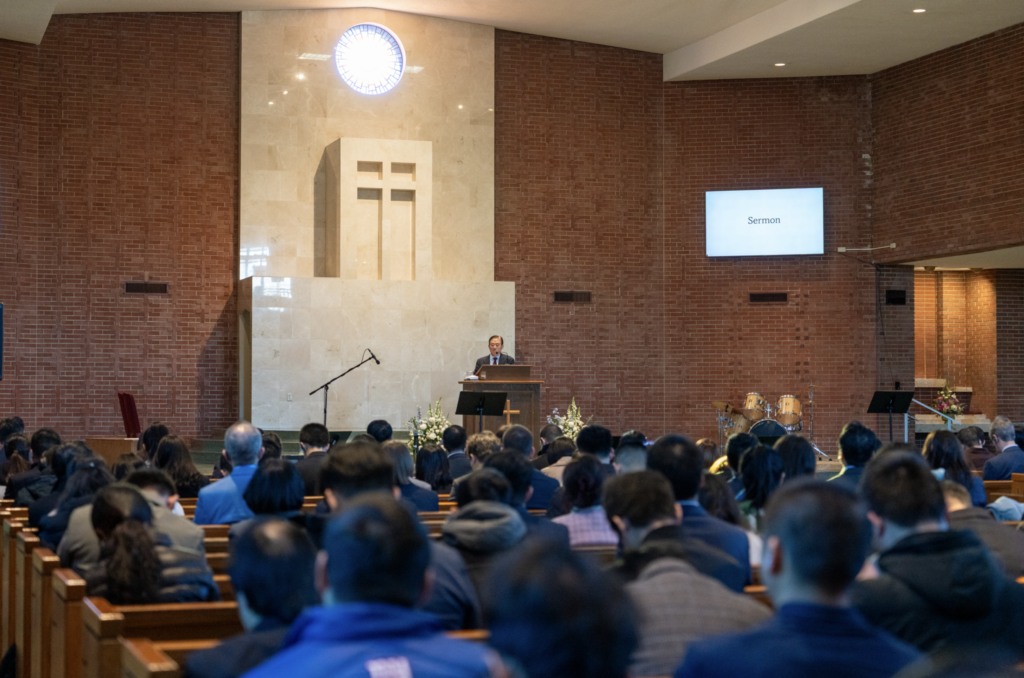
David Jang, pastor (Olivet University): el evangelio y la misión de la iglesia vistos a través de sus sermones sobre Colosenses

Al contemplar “La creación de Adán” de Miguel Ángel, el ser humano parece infinitamente pequeño y, al mismo tiempo, inexplicablemente digno. En el techo de la Capilla Sixtina, la punta del dedo de Dios se extiende hacia Adán, mientras la mano de Adán, sin llegar todavía a tocarla por completo, espera el instante de la vida. En ese breve espacio no se narra la historia de un ser humano que alcanza a Dios por sus propias fuerzas, sino el misterio de la gracia: Dios es quien se acerca primero al ser humano.

El evangelio que proclama Colosenses 1 comienza precisamente en ese lugar. Pablo se presenta como “apóstol de Cristo Jesús por la voluntad de Dios”. Esta frase no es simplemente la primera línea de una carta. Es una declaración teológica que revela de dónde vienen la iglesia y los creyentes, sobre la voluntad de quién permanecen firmes y para qué han sido llamados. El centro que sostienen los sermones sobre Colosenses del pastor David Jang, fundador de Olivet University en Estados Unidos, se encuentra también aquí. La iglesia no se edifica sobre el entusiasmo humano ni sobre la capacidad organizativa, sino sobre la voluntad de Dios y el llamamiento de Jesucristo.

Cuando se pierde el llamamiento, la iglesia pierde el rumbo

Pablo se dirige a la iglesia de Colosas llamándolos “hermanos fieles en Cristo”. La iglesia de Colosas no había sido fundada directamente por Pablo, pero era una comunidad que compartía la misma vida en el evangelio. Este hecho muestra que la esencia de la iglesia no reside en la influencia de una persona concreta ni en el tamaño de una región. La iglesia llega a ser verdaderamente iglesia cuando permanece firme en la verdad del evangelio.

Aquí también podemos encontrar una razón por la que la iglesia de hoy se tambalea con frecuencia. Antes de preguntar qué más debemos hacer, primero debemos preguntarnos por qué existimos. Aunque haya muchos programas y las actividades sean abundantes, si la identidad se vuelve confusa, la iglesia se convierte en una organización que no se distingue del mundo. Por el contrario, aunque parezca pequeña y frágil, una comunidad que sabe quién es en Cristo no se derrumba fácilmente.

El pastor David Jang subraya con fuerza en este punto la identidad de los creyentes y de la iglesia. Si la pregunta “¿Quién soy y para qué he sido llamado?” no está clara, la fe puede ser arrastrada fácilmente por las emociones o por el ambiente del momento. Pero cuando existe la certeza de haber sido llamado por la voluntad de Dios, la fe se convierte en el centro de la vida y la obediencia deja de ser una carga para convertirse en dirección.

La fe, el amor y la esperanza hacen respirar a la iglesia

Pablo dice que da gracias cada vez que ora por la iglesia de Colosas. La razón de su gratitud era la fe de ellos, su amor hacia todos los santos y la esperanza reservada para ellos en los cielos. La fe, el amor y la esperanza no son simples expresiones religiosas hermosas, sino evidencias de que el evangelio está vivo y obrando realmente dentro de una comunidad.

La fe es la fuerza que se aferra a Cristo. El amor es la manera en que esa fe fluye hacia las personas. La esperanza es la certeza de que el sufrimiento y la confusión presentes no tienen la última palabra. Cuando estas tres realidades están vivas, la iglesia gana profundidad más que apariencia, y vida más que tamaño. Por el contrario, cuando estas tres se debilitan, por mucho que la iglesia posea muchas cosas, su alma comienza a secarse.

El evangelio no termina simplemente en ser escuchado. Pablo habla de una vida que escucha la palabra de verdad del evangelio, la comprende y da fruto. Lo mismo ocurre con la meditación bíblica. No basta con conocer la Palabra. La Palabra debe pasar por el corazón y descender a la vida; la gracia debe ir más allá del pensamiento y manifestarse en la práctica del amor.

Cuando Cristo se hace pequeño, también se oscurece el evangelio

En el centro más profundo de Colosenses se encuentra la soberanía absoluta de Jesucristo. Pablo proclama que Cristo es la imagen del Dios invisible y el primogénito de toda creación. Esta afirmación es una respuesta clara a toda tendencia que intenta reducir a Jesús a un simple maestro admirable o a un modelo moral. En el centro del evangelio siempre están la cruz y la resurrección de Cristo, así como su divinidad.

La iglesia suele perder el camino cuando Cristo es desplazado del centro. A veces, el éxito del mundo ocupa ese lugar; otras veces, lo sustituyen los cálculos y deseos humanos. En ocasiones, el legalismo oculta la gracia; en otras, una libertad barata difumina el arrepentimiento y la santidad. La razón por la que Colosenses exalta a Cristo es para que la iglesia no pierda la pureza del evangelio.

La perspectiva teológica que enfatiza el pastor David Jang también se conecta con esta corriente. La iglesia no solo debe confesar a Cristo como cabeza, sino también someterse a su soberanía en el ministerio real, en la toma de decisiones y en la manera de vivir. Cuando la adoración y la educación, la misión y el servicio, las finanzas y la administración comunitaria se sitúan bajo el gobierno de Cristo, la iglesia comienza a mostrar un orden distinto al del mundo.

La esperanza guardada en los cielos transforma la vida en la tierra

Pablo, aun estando en prisión, oraba por la iglesia de Colosas y confesaba que el evangelio daba fruto y crecía en todo el mundo. Esto muestra que el evangelio no es una emoción religiosa limitada a una región, sino la vida de Dios que se expande hacia el mundo. La iglesia no es un refugio cerrado que permanece encerrado en sí mismo, sino una comunidad que abraza el evangelio y sale al mundo.

La visión de iglesia que contemplan los sermones del pastor David Jang también se encuentra aquí. La iglesia es guardiana del evangelio y, al mismo tiempo, mensajera del evangelio. Hacia dentro, debe ser edificada por la Palabra y la oración; hacia fuera, debe fluir mediante el amor y la misión. En el Espíritu Santo, debe orar unos por otros, compartir de manera concreta el amor entre los santos y dar fruto del evangelio en medio del mundo.

En última instancia, la pregunta que Colosenses nos deja hoy no es sencilla. ¿Estamos realmente recibiendo a Cristo como cabeza de la iglesia? ¿Nuestra fe se manifiesta en amor? ¿Nuestra esperanza, aunque esté guardada en los cielos, está renovando nuestra vida presente?

El evangelio no es una doctrina antigua, sino una vida viva. Esa vida se convierte en comprensión dentro de quien la escucha; en obediencia dentro de quien la comprende; y en fruto dentro de la comunidad que obedece. El camino que la iglesia de hoy debe volver a aferrar está ahí: regresar a un evangelio más profundo antes que a palabras más brillantes, y a una soberanía de Cristo más clara antes que a una apariencia más grande. En ese lugar silencioso de restauración, nuestra fe vuelve a esperar la vida de la gracia, como la mano de Adán que despierta hacia la punta del dedo de Dios.
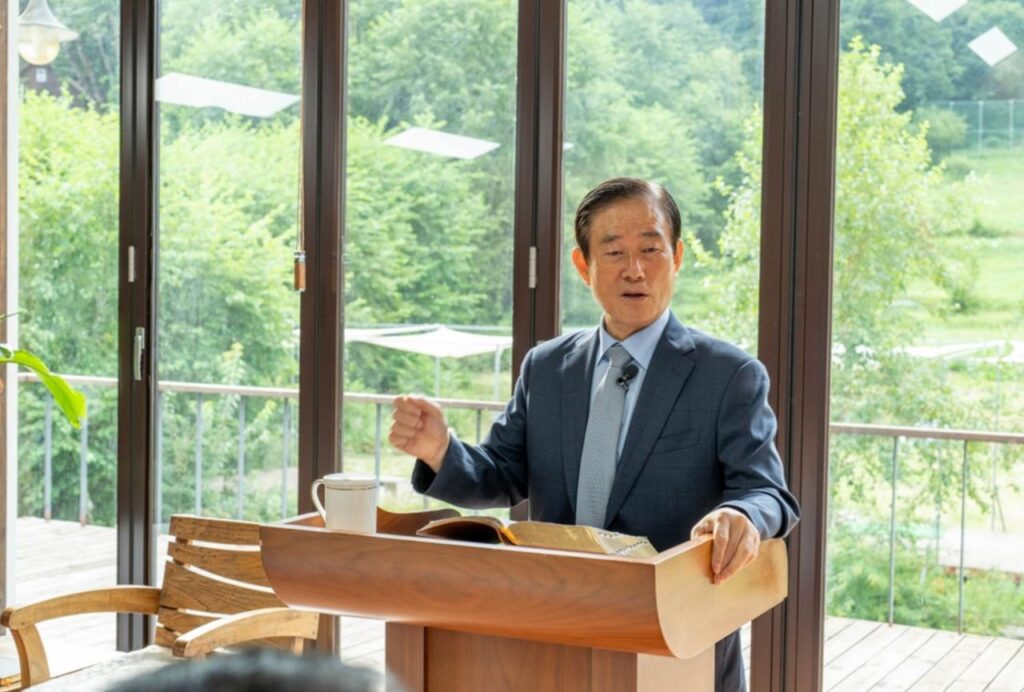
www.davidjang.org

영적 흑암의 골짜기를 가르는 부활의 도정: 장재형목사의 데살로니가 교회의 환난과 종말론적 실존

길고 깊은 숲에서 방향을 잃고 고립된 방랑자는 비로소 나뭇가지 사이로 드러난 밤하늘의 별을 보며 진정한 방위를 묻게 됩니다. 알레object 명작인 단테의 《신곡》이 인생의 영적 방황을 음산하고 어두운 이미지로 열어젖히며 신성한 순례의 길을 예비하듯, 인류의 신앙 역시 삶의 토대가 가장 격렬하게 흔들리는 실존적 위기의 자리에서 비로소 자신이 끝까지 붙들어야 할 절대적인 영원의 빛을 발견하곤 합니다.

장재형 목사(미국 올리벳대학교 설립자)의 강해 설교가 은혜와 진리의 렌즈로 비추는 초대 데살로니가 교회의 영적 풍경은 바로 그와 같은 극심한 흑암의 한복판에 우뚝 서 있었습니다. 그들은 물질적인 풍요나 사회적인 안정, 혹은 신앙생활을 하기에 편안하고 안락한 조건 속에서 복음의 씨앗을 건네받은 사람들이 결코 아니었습니다. 도리어 사방에서 목을 조여오는 잔혹한 핍박과 사회적 고립, 그리고 종교적 환난의 압력 속에서도 사도들이 전한 말씀을 인간의 오만이 아닌 ‘성령의 기쁨’으로 온전히 받아들인 거룩한 남은 자(Remnant)들의 공동체였습니다.

데살로니가전서 1장 2절부터 10절까지 도도하게 흐르는 구속사적 서사는 단순히 한 고대 교회가 남긴 아름답고 낭만적인 종교적 미담이 아닙니다. 사도 바울이 아테네와 고린도의 사역지에서 밤낮 무릎을 꿇으며 감사하고 기억했던 것은, 그들을 짓누르던 역사적 고난이 마술처럼 하루아침에 사라졌다는 외적인 환경 변화의 결과가 아니었습니다. 오히려 살을 에어내는 고난과 결핍의 한가운데서 성도들의 수고를 통해 믿음의 역사가 산출되고, 서로를 향한 헌신 속에서 사랑의 수고가 증명되며, 거친 압박 속에서도 소망의 인내가 삶의 구체적인 사건과 열매로 드러났다는 준엄한 신앙적 실상 때문이었습니다.

이 본문은 오늘의 교회가 과연 무엇을 기초로 세워져야 하며, 시대를 거스르는 풍파를 어떤 동력으로 견뎌내야 하는지를 고요하면서도 날카롭게 추적하는 깊이 있는 성경 묵상의 보고입니다. 예수 그리스도의 복음은 우리에게 이 땅 위에서 위기도 없고 상처도 없는 온실 속의 삶을 보장하겠다고 값싸게 약속하기보다, 죽음의 음침한 골짜기와 위기 속에서도 결코 소멸하지 않는 부활의 영원한 생명을 선물로 주겠다고 선포합니다.

바울이 빌립보 감옥에서 보낸 눈물의 기도를 지나 데살로니가 성도들을 향해 올린 감사는 결코 입에 발린 의례적인 칭찬이나 막연한 격려가 아니었습니다. 사도는 그 어린 성도들이 로마 제국의 칼날 아래서 어떤 숨 막히는 적대적 환경을 온몸으로 받아내며 신앙의 자리를 파수했는지 그 지독한 무게를 누구보다 잘 알고 있었습니다. 그리고 그들이 단지 종교적인 형식주의에 도취해 일시적인 열심을 부린 것이 아니라, 자신들의 존재적 가치관과 삶 전체의 방향을 창조주 하나님께로 완전히 급선회했다는 역사적 사실을 목도했습니다.

그렇기에 세월의 강을 넘어 오늘날 우리에게 전달된 이 서신의 문장들은, 물질적 번영과 안일함에 취해 있는 현대 교회와 성도들의 심장을 향해 오래도록 지워지지 않을 뼈아픈 질문을 던집니다. “지금 당신이 고백하는 믿음은 단지 햇살이 따스한 편안한 날에만 통용되는 유희의 언어인가, 아니면 삶의 모든 기반이 뿌리째 흔들리는 환난의 날에도 오직 하나님만을 바라보게 만드는 실제적인 능력인가.”

1. 제국의 서슬 푸른 밤, 환난의 격랑 속에서 더욱 선명해지는 그리스도의 도(道)

고대 데살로니가는 로마 제국이 자랑하는 정교한 행정 질서와 세련된 헬라의 인문학적 문화가 실핏줄처럼 깊숙이 스며든 대도시였으며, 에그나티아 가로(Via Egnatia)라는 거대한 제국의 대동맥 위에 자리 잡고 있어 끊임없이 사람과 물자가 교차하는 교통의 요충지였습니다. 무역의 활성화로 문명이 교차하는 그 길은 복음이 사방으로 빠르게 전파되는 신성한 통로가 되기도 했지만, 역설적으로 복음을 대적하는 유대 기득권층의 반대와 로마 황제 숭배 체제의 시퍼런 핍박이 가장 신속하고 잔인하게 번져나가는 증오의 통로가 되기도 했습니다.

사도 바울은 이 도시에 당도하기 직전, 이미 빌립보 사역지에서 로마 관원들에게 옷이 찢긴 채 매를 맞고 깊은 차꼬に 갇히는 참혹한 고난을 겪은 상태였습니다. 육체는 상처투성이였고 영혼은 피로했을 테지만, 그는 데살로니가에 이이자마자 유대인의 회당으로 직행하여 오직 성경을 풀어 예수 그리스도가 왜 십자가에서 비참하게 고난을 받아야만 했는지, 그리고 왜 사흘 만에 죽은 자 가운데서 다시 살아나야만 했는지를 타협 없이 증언했습니다.

사도행전 17장에 기록된 구속사의 도정 속에서 바울이 전한 전도와 설교는 청중들의 눈물샘만을 자극하는 일시적인 감정적 호소나 세련된 웅변술이 아니었습니다. 그는 인류의 타락한 이성을 향해 메시아가 왜 영광의 왕좌가 아닌 수치스러운 도살장의 양처럼 고난을 겪어야만 했는지, 왜 저주받은 나무틀인 십자가가 역사의 실패가 아니라 인류를 죄에서 속량하시는 하나님의 유일하고도 거룩한 구원의 길인지를 구체적인 성경의 성취로 증명해 보였습니다.

나아가 죽음의 무덤을 깨뜨리고 부활하신 나사렛 예수가 왜 유대인과 이방인을 불문하고 온 우주 만민이 붙들어야 할 최종적인 소망인지를 예리하게 풀어내었습니다. 당시 기득권 유대인들에게는 거치는 걸림돌처럼 보이고, 지적인 자만에 빠진 헬라 지식인들에게는 미련하고 어리석게 들릴 수밖에 없었던 십자가의 복음이, 오직 은혜를 사모하던 데살로니가 사람들의 심령 속에서는 거대한 지각변동을 일으키며 그들의 마음을 완전히 장악했습니다. 그러나 복음의 빛이 인간의 어두운 양심을 깨우고 영혼을 뒤흔들수록, 그 빛을 꺼뜨리려는 어둠의 세력과 종교적 반대자들의 광기 어린 폭동도 함께 일어났습니다.

폭도들의 위협으로 인해 바울과 그의 믿음의 동역자들은 결국 사역을 다 마치지도 못한 채 밤중에 도망치듯 도시를 떠나야만 했고, 영적으로 갓 태어난 데살로니가의 어린 교회는 어떠한 외적인 보호막이나 영적 지도자의 조력도 받지 못한 채 날카로운 환난의 칼바람 속에 홀로 남겨지게 되었습니다. 인간적인 계산으로는 교회의 간판이 내려지고 성도들이 뿔뿔이 흩어지는 파산 선고가 내려져야 마땅한 비극적인 상황이었습니다.

그러나 인류 역사와 교회사 가 증언하는 가장 경이로운 반전은, 그 어리고 가냘픈 교회가 제국의 압박 앞에서도 단 한 걸음도 물러서지 않고 무너지지 않았다는 엄연한 사실입니다. 지상의 설립자들은 비록 그들 곁을 떠나 격리되어 있었지만, 그들이 눈물로 심었던 복음의 생명력은 결코 유한한 사람의 말이나 일시적인 종교적 이데올로기에 머물지 않았습니다. 세상의 환난과 핍박은 공동체의 외형을 흔들고 물질적인 토대를 빼앗아 갈 수는 있었을지언정, 성령의 주권적인 역사 속에서 그들의 영혼 깊은 곳에 인쳐진 구원의 ‘큰 확신’과 하늘의 기쁨까지는 단 한 조각도 빼앗아 갈 수 없었습니다.

핍박이라는 거대한 그림자는 언제나 하나님의 교회를 향해 두 개의 상반된 얼굴을 하고 다가옵니다. 한편으로는 연약한 육신을 가진 인간에게 극심한 두려움과 지울 수 없는 상처, 그리고 눈물을 남기지만, 다른 한편으로는 가식의 껍데기를 모두 벗겨내어 그가 고백하는 신앙의 중심이 과연 어디에 뿌리를 내리고 있는지를 만천하에 정직하게 폭로합니다. 데살로니가 교회는 국가의 법률이나 세상의 우호적인 안전망에 자신들의 운명을 걸지 않고, 오직 살아서 역사하시는 복음 자체의磐石(반석) 위에 영혼의 닻을 내렸습니다.

그렇기에 그들은 자신들이 당하는 비참한 고난의 소문보다, 그 고난을 넉넉히 이겨내는 거룩한 믿음의 소문을 제국의 전역으로 더 멀리, 더 강력하게 퍼뜨릴 수 있었습니다. 밤이 깊어질수록 산 위의 작은 등불이 수십 리 밖에서도 선명하게 보이듯, 환난의 한복판에서 묵묵히 드려진 그들의 아름다운 순종은 주변의 낙심해 있던 마게도냐와 아가야의 수많은 이웃 교회들에게 살아 숨 쉬는 거룩한 격려이자 위로가 되었습니다.

2. 관념의 종교를 뚫고 나오는 행동하는 신앙: 믿음의 역사와 사랑의 수고의 동역학

사도 바울이 데살로니가 성도들의 얼굴을 눈물로 기억하며 끊임없이 하나님 앞에 감사의 제단을 쌓았던 궁극적인 이유는, 그들이 소유한 신앙이 사상가들의 메마른 논쟁이나 입술의 고백이라는 종교적 액자 속에만 갇혀 있는 가짜가 아니었기 때문입니다. 그들의 신앙은 삶의 현장에서 구체적인 역사(役事)로 폭발하듯 나타났고, 서로를 향한 은혜는 뼈를 깎는 수고로 변모되었으며, 내일을 향한 기대는 대가를 지불하는 인내로 깊어졌습니다.

여기서 말하는 믿음이란 단순히 교리적인 명제에 지적으로 동의하는 수준의 안일함을 뜻하는 것이 아니라, 무덤을 깨뜨리신 주님의 부활의 능력을 오늘 나의 깨어진 삶의 한복판에서 실제적인 힘으로 신뢰해 내는 결단이었습니다. 그들이 보여준 사랑 또한 감정의 따스한 온기나 말로만 하는 축복의 수준을 넘어, 고난받는 형제와 자매를 위해 자신의 소중한 소유와 생명까지 기꺼이 내어주는 헌신의 다른 이름이었습니다.

장재형 목사의 설교는 이 위대한 세 단어, 곧 믿음과 사랑과 소망을 단지 2,000년 전 초대교회의 바랠 대로 바랜 빛바랜 표어로만 박제해 두지 않습니다. 복음 안에서 참된 믿음이란 눈에 보이지 않는 하나님의 전능하신 손길을 오늘 내가 당면한 질병과 물질적 결핍, 그리고 사역의 위기 속에서 신뢰함으로 묵묵히 걸어가는 현재진행형의 발걸음입니다.

또한 진정한 사랑이란 당시 헬라와 유대, 명예로운 귀족과 비천한 노예, 유력한 자와 가난한 자 사이에 견고하게 서 있던 인간적인 신분과 계급의 장벽을 예수의 보혈로 깨부수고, 서로의 짐을 대신 짊어지는 구체적인 노동이자 수고입니다. 소망 역시 눈앞의 상황이 인간적인 수단으로 조금 더 나아지기를 막연하게 기대하는 세상의 값싼 낙관주의가 아니라, 역사의 종국을 완성하시기 위해 구름 타고 다시 오실 영광의 주님 안에서 역사의 종말을 오늘로 당겨와 버텨내는 거룩한 인내입니다. 그렇기에 데살로니가 교회는 개척된 지 수개월밖에 되지 않은 아주 젊고 연약한 공동체였음에도 불구하고, 역사와 전통을 자랑하던 마게도냐와 아가야 전 지역의 믿는 자들에게 지울 수 없는 거룩한 이정표(Model)가 될 수 있었습니다.

성경의 본문은 그리스도의 복음이 그들에게 임할 때 단지 현란한 서사나 “말로만” 이른 것이 결코 아니었다고 명확히 선언합니다. 그들의 강단과 심령 속에는 하나님의 초자연적인 능력과 성령의 주권적인 역사, 그리고 그 어떤 세상의 협박으로도 흔들 수 없는 천국에 대한 ‘큰 확신’이 도도하게 흐르고 있었습니다. 이 위대한 고백은 물질주의와 형식주의에 물들어 강단의 생명력을 잃어버린 오늘의 현대 교회가 매일 선포되는 설교와 하나님의 말씀을 도대체 어떤 태도로 받아내야 하는지를 엄중하게 묻습니다.

종교적인 언어와 유창한 신학적 지식은 필요할지 모르지만, 생명이 거세된 말의 성찬만으로는 죄로 인해 죽어가는 영혼을 단 한 사람도 온전하게 세울 수 없습니다. 강단에서 전해진 십자가의 말씀이 성도들의 삶의 현장에서 피 묻은 순종으로 번역되고, 공동체 내부에서 서로를 향한 구체적인 은혜의 열매로 드러날 때 비로소 복음은 머리로 기억하는 죽은 ‘정보’가 아니라, 삶을 송두리째 바 가 뒤엎는 하나님의 ‘능력’으로 역사하게 됩니다.

특히 사명이 흐려지기 쉬운 환난의 계절에, 성도들이 서로를 향해 쏟아내는 구체적인 사랑의 수고는 믿음이라는 고결한 가치가 개인의 내밀한 영적 세계 속에만 갇혀 이기적으로 변질되지 않도록 막아주는 거룩한 방파제가 됩니다. 제국의 서슬 푸른 칼날 아래서 함께 고난을 통과하고 있는 신앙 공동체 안에서, 사랑이란 결코 시집이나 강연에 나오는 추상적인 미덕이 될 수 없습니다. 그것은 사방에서 우겨쌈을 당해 쓰러지려는 지체의 손을 피가 통하도록 단단히 붙들어주는 실제적인 손길이요 노동입니다.

누군가의 육체적인 아픔과 가난의 무게를 자신의 일처럼 기꺼이 짊어지고, 박해의 두려움 앞에 믿음이 흔들려 연약해진 지체를 정죄하지 않고 눈물로 기다려 주며, 거친 세속 문화의 유혹 속에서도 서로가 바라보는 소망의 방향이 흐려지지 않도록 기도의 무릎을 함께 세워주는 것—이것이 바로 복음이 요구하는 사랑의 진짜 모습입니다. 데살로니가 교회가 온 지상의 교회 앞에 찬란한 본이 될 수 있었던 까닭은, 그들이 골방에서 고백했던 영광스러운 신앙의 문장들을 자신들이 살아가는 공동체의 거친 삶의 언어로 완벽하게 번역해 냈기 때문입니다.

3. 우상의 제단을 허무는 전인격적 회개: 삶의 주권을 재정렬하는 순종의 좁은 길

데살로니가 성도들이 복음을 영접하고 보여준 극적인 변화는 영혼의 일시적인 감동이나 종교적인 카타르시스로 끝나지 않았습니다. 사도 바울은 그들의 삶을 회고하며, 그들이 자신들의 삶을 지배하던 온갖 화려한 헬라의 우상들을 미련 없이 내던져 버리고, 오직 살아서 역사하시고 참되신 하나님께로 완전히 돌아왔다고 선포합니다.

당시 찬란한 그리스-로마 문화권의 한복판에서 자신이 평생 섬기던 우상의 제단을 허문다는 것은, 단순히 개인의 종교적 취향이나 취미를 바꾸는 가벼운 차원의 문제가 결코 아니었습니다. 그것은 자신의 삶을 지탱하던 실존의 주인을 바꾸는 일이었으며, 인생에서 마주하는 두려움의 대상과 방향을 완전히 재조정하는 일이었고, 나아가 제국의 기존 경제 질서와 사회적 관계망이 집요하게 요구하던 충성의 맹세를 단호히 내려놓는 목숨을 건 결단이었습니다.

참된 기독교의 회개는 과거의 잘못을 단순히 후회하고 눈물 흘리는 일시적인 감정의 정화에 머무르지 않습니다. 나의 타락한 자아와 세상의 우상들을 향해 가던 걸음을 완전히 멈추고 돌아서서, 오직 살아 계신 하나님 아버지를 왕으로 모시고 그분의 말씀 통치 아래 자신을 복종시키는 실제적인 순종으로 이어질 때, 회개는 비로소 한 인간의 존재적 ‘삶의 방향’이 됩니다.

장재형 목사의 강해 설교가 가리키는 복음의 무조건적인 은혜의 심오함이 바로 이 지점에서 빛을 발합니다. 하나님은 죄인 된 인간을 향해 그저 세상의 우상과 정욕을 무조건 버리라고만 다그치며 율법의 몽둥이를 휘두르시는 분이 아닙니다. 그분은 우리가 무엇을 버려야 하는지를 말씀하시기 전에, 우리가 마땅히 왕으로 모시고 돌아가야 할 참된 아버지의 품이 어디에 있는지를 복음의 은혜로 먼저 밝히 보여주십니다.

우상을 떠나보낸 인간의 마음 자리는 결코 쓸쓸하게 비어 있는 공허의 폐허로 방치되지 않습니다. 온 우주에 살아 계시고 참되신 하나님을 온 마음을 다해 예배하고 섬기는 새 언약의 거룩한 질서와 영원한 생명의 기쁨이 그 빈자리를 터질 듯이 채우게 됩니다. 데살로니가 교회가 보여준 피 묻은 순종은 주일 예배 때 부르는 찬송의 언어를 조금 세련되게 바꾸는 종교적 리모델링에서 끝나지 않았고, 그들이 발을 딛고 살아가던 가정과 일터, 그리고 공동체의 삶 전체의 체질을 완전히 바꾸어 놓았습니다. 하나님께로 인생의 닻을 옮겨 심은 사람은 더 이상 세상이 주는 두려움과 탐욕스러운 욕망의 언어만으로는 자기 자신의 존재를 설명할 수 없는 ‘새로운 피조물’이 되기 때문입니다.

오늘날 현대 성도들이 직면한 우상의 실체 역시 반드시 눈에 보이도록 정교하게 조각된 금이나 돌의 형상만을 의미하지 않습니다. 현대인들은 눈에 보이지 않지만 사람의 영혼을 갉아먹는 돈이라는 이름의 재물 신(Mammon), 세상이 보장해 줄 것 같은 가짜 안전망, 타인의 시선에 목을 매는 인정 중독, 끝없는 성공의 신화, 그리고 내일에 대한 실존적인 두려움 같은 보이지 않는 내면의 우상들에게 너무나도 쉽게 마음의 보좌를 내어 주며 살아갑니다.

그러므로 데살로니가전서가 고발하는 전인격적인 회개의 메시지는 단지 2,000년 전 고대 그리스의 한 도시에만 국한된 박물관의 이야기가 아닙니다. 날마다 살아있는 복음의 거울 앞에서 내 삶의 진짜 주인이 누구인지를 뼈아프게 다시 묻고, 보이지 않는 탐욕의 우상들을 깨부수며 오직 참되신 하나님 한 분만을 섬기는 자리로 끊임없이 돌아서는 회개의 도정은, 지금 이 순간에도 예수를 따르는 성도들이 걸어가야 할 가장 깊고 선명한 신앙의 출발선입니다.

4. 무덤을 깨뜨린 부활 신앙과 역사(歷史)를 관통하는 재림 소망의 종말론적 연대

데살로니가전서 1장이 거룩한 카메라의 초점을 마지막으로 맞추는 종착지는, 장차 하늘로부터 찬란한 영광 중에 강림하실 예수 그리스도를 간절히 기다리는 성도들의 뜨거운 재림 소망입니다. 데살로니가 교회가 가슴에 품었던 이 종말론적인 재림 신앙은 결코 눈앞의 거친 현실과 역사적 책임을 무책임하게 팽개치고 산속으로 도망치는 광신적인 도피주의가 아니었습니다.

오히려 그들은 역사의 궤적을 완성하시기 위해 다시 오실 공의의 주님을 확실히 믿었기에, 제국의 시퍼런 환난과 매일의 통증을 넉넉히 견뎌낼 수 있었으며, 장래에 임할 하나님의 공의로운 심판과 온전한 구원의 약속 앞을 바라보았기에 오히려 오늘 하루의 삶을 더욱더 순결하고 거룩하게 붙들 수 있었습니다. 그들에게 소망이란 다가올 미래에 대한 막연하고 낭만적인 상상의 유희가 아니라, 부러진 무릎을 일으켜 오늘을 견디고 사명의 자리를 사수하게 만드는 실제적인 종말론적 핵에너지였습니다.

장재형 목사의 설교가 복음의 경종을 울리며 날카롭게 경계하는 것 역시, 역사적 책임감을 잃어버리고 균형을 상실한 채 시한부 종말론으로 치닫는 가짜 종말 의식입니다. 주님의 다시 오심을 신실하게 기다린다는 영적 의미는, 우리에게 주어진 일상의 노동과 삶을 포기하거나 알 수 없는 미래의 두려움에 갇혀 영혼이 마비되는 것을 뜻하지 않습니다.

진정한 재림 신앙은 내게 주신 일상의 자리에서 형제를 더 깊이 사랑하고, 매서운 추위와 환난 속에서도 더 성실하게 십자가의 길을 견뎌내며, 낙심한 지체들을 하늘의 음성으로 위로하고 격려하는 구체적인 삶의 열매로 이어져야만 합니다. 예수 그리스도의 부활 신앙은 우리에게 인간을 위협하는 죽음의 권세와 세상의 압박이 인생의 최종적인 마지막 말이 결코 아님을 우렁차게 선포하며, 주님의 재림 소망은 이 역사의 최종 결론이 세상 권력자들의 손이 아니라 오직 신실하신 하나님의 전능하신 손안에 있음을 고백하게 만듭니다.

그리스도교 신학 안에서 예수의 부활과 그분의 재림은 결코 서로 동떨어진 별개의 신학적 주제가 아닙니다. 무덤의 차가운 빗장을 깨뜨리고 사망 권세를 밟아 이기신 예수의 부활을 통과하여 믿기 때문에, 성도는 세상이 가하는 잔인한 죽음의 위협 앞에서도 절망의 감옥에 갇히지 않는 하늘의 자유를 누립니다. 또한, 그 사흘 만에 살아나신 예수가 영광 중에 다시 오실 것을 간절히 기다리기 때문에, 성도는 현재의 역사 속에 만연한 부조리와 불의, 그리고 박해의 고통이 역사의 최종적인 결론이 아님을 확신하며 눈물 속에서도 노래할 수 있습니다. 이 위대한 종말론적 소망은 우리가 겪는 육신의 고통과 눈물을 결코 가볍게 여기며 도피하게 만들지 않지만, 그 고통의 이름이 신자의 존재적 최종 이름이 되지 못하도록 마침내 승리하게 만듭니다.

그러므로 본문을 통해 우리가 마주하는 깊은 성경 묵상의 세계는, 현실의 아픔을 부정하거나 눈을 가려버리는 종교적인 위선이나 값싼 위로가 아닙니다. 그것은 도리어 십자가의 렌즈를 통해 우리가 처한 현실의 겉껍질을 뚫고 들어가 하나님의 일하심을 가장 깊고 정확하게 바라보게 만드는 영적인 개안(開眼)입니다. 세상의 눈으로 볼 때 고난은 분명 비참한 아픔이며, 제국의 조직적인 핍박은 교회의 공동체를 연약하게 만들고 파멸시키는 독소처럼 보입니다. 그러나 영원한 복음의 능력 안에서 그 혹독한 고난은 결코 하나님께 버림받았다는 절망의 증거가 아니라, 도리어 내 안에 숨겨져 있던 보석 같은 믿음의 역사와 사랑의 수고, 그리고 소망의 인내가 세상 천하에 가감 없이 증명되고 드러나는 거룩한 기적의 자리로 뒤바뀌게 됩니다.

오늘날의 지상 교회 역시 데살로니가 교회가 남긴 찬란한 영적 거울 앞에서 자기 자신의 부끄러운 민낯을 정직하게 돌아보아야 합니다. 우리는 과연 아무런 대가도 지불할 필요가 없는 편안하고 안락한 날의 언어로만 십자가와 믿음을 값싸게 사치하고 있지는 않습니까? 아니면 삶의 기반과 조건들이 사정없이 흔들리는 위기의 날에도, 형제를 향한 사랑의 수고와 다시 오실 주님을 향한 소망의 인내를 삶의 궤적으로 뚜렷하게 남겨놓고 있습니까?

장재형 목사의 설교가 현대인들의 영혼을 향해 남기는 질문은 고요하지만, 그 어떤 칼날보다 예리하여 결코 피할 수 없습니다. “예수 그리스도의 구원의 복음이 정말로 오늘 당신의 심령 속에 단순한 문자가 아니라 천둥 같은 능력으로 임했다면, 당신이 마주한 환난의 깊은 밤 속에서, 과연 당신의 삶은 누구를 향해 그 거룩한 부활의 빛을 발하고 있는가.” 이 준엄한 질문 앞에서, 성도는 오늘도 겸비하게 무릎을 꿇고 살아 계신 하나님의 말씀 앞으로 다시 나아갑니다.

데살로니가 교회가 환난의 밤에 우리에게 남겨준 ‘우상을 버린 회개’와 ‘역사를 뚫고 나오는 사랑의 수고’를 깊이 묵상할 때, 오늘날 당신이 처한 삶의 자리(가정, 일터, 혹은 사역의 골짜기)에서 여전히 은밀하게 마음의 보좌를 차지하려 드는 보이지 않는 ‘현대의 우상(안전감에 대한 집착, 타인의 인정, 미래에 대한 염려)’은 구체적으로 무엇입니까? 내 힘이 완벽하게 소멸되는 듯한 그 고독한 한계의 자리에서, 당신은 어떻게 “주님 다시 오시며 부활의 주가 되신다”는 등불을 켜고 구경꾼의 자리에서 일어나 아귀까지 물을 채우는 순종의 걸음을 결단하고 계시는가요?

장재형 박사는 현장 선교와 디지털 미디어 사역을 통해 세계 여러 지역에 복음을 전해 왔으며, 그 사역의 열매로 지상명령에 헌신하는 많은 이들이 세워졌다. 이러한 선교적 비전을 바탕으로 올리벳은 처음에 선교사 훈련을 위한 작은 교회 학교로 출발했다. 이후 보다 체계적인 신학 교육과 선교 인재 양성을 위해 2000년 로스앤젤레스와 서울에 올리벳신학대학 및 신학교가 설립되었다.

학교가 성장하면서 장 박사는 2004년 샌프란시스코에 Olivet University를 공식 설립했다. 올리벳은 샌프란시스코의 다양성과 역동적인 환경 속에서 신학을 중심으로 음악, 저널리즘, 예술디자인, 기술 분야까지 교육 영역을 확장해 나갔다. 또한 윌리엄 와그너 박사를 비롯한 교수진을 영입하며 교육 역량을 강화했고, 2005년에는 옛 UC 버클리 다운타운 익스텐션 캠퍼스로 이전해 대학으로서의 기반을 더욱 공고히 했다.

2006년 장 박사는 선교 사역에 더욱 집중하기 위해 총장직을 데이비드 제임스 랜돌프 박사에게 이양하고, 국제총장으로서 세계 선교 사역을 이끌었다. 이후 Olivet University는 2009년 기관 인증을 받았으며, 언어교육대학과 경영대학을 추가하고 학위 과정과 국제 협력 관계를 확대하면서 세계 선교를 위한 기독교 교육기관으로 지속적으로 성장했다.

davidjang.org

prismpress.kr

在绝望尽头绽放的恩典与盼望 – 张大卫牧師 (Olivet University)

1654年11月23日深夜,哲学家布莱兹·帕斯卡尔在那道骤然临到、压倒一切的光面前,握起笔,用颤抖的手在羊皮纸上留下了一段短短的文字:“火。不是哲学家和学者的上帝,而是亚伯拉罕、以撒、雅各的上帝。” 当那位曾被冰冷教义与理性逻辑囚禁起来的上帝,作为焚烧灵魂深渊的真实存在向他临近时,他才终于学会了真正的俯伏。使徒保罗在书写罗马书第11章时所发出的“上帝弃绝了祂的百姓吗?”这一叹息,同样也是如此炽热如火的信仰告白。张大卫牧师正是在这一处,使我们的脚步停了下来。他敦促我们认识到,圣经默想并不只是书房里积累知识的事务,而应成为一种属灵的呼吸,震动我们存在的根基,并使我们转回正确的方向。

在崩塌之处绽放的恩典

从罗马书第9章开始流淌而出的保罗论证,贯穿了以色列的拒绝与外邦人的得救这一宏大的救赎史脉络。在绝望看似最为合理的结论的时代,以利亚在荒凉旷野的尘土之中,被“唯独自己还存留”的孤独压得喘不过气来,向上帝呼求。然而,来自天上的回答,仿佛嘲笑人类悲观的统计数字一般,宣告上帝已经为自己保留了七千个未曾向巴力屈膝的人。这是严肃而确凿的护理。张大卫牧师清楚指出,“余民”的奥秘并不建立在人卓越的能力或坚强的意志之上。倘若其中稍稍掺杂了我们的某种资格或成就,它就不再能成为完全的福音。即使在背叛与黑暗的历史之中,上帝仍以彻底的主权为自己保留祂的人,并借着他们再次延续生命的叙事。正如卡拉瓦乔的画布上,那道光单方面闯入从马上跌落、双目失明的扫罗身上一般,所谓恩典,就是当我功劳的位置被完全倒空时,才涌流而入的、来自天上的独一礼物。

丰盛的筵席成为灵魂的陷

然而,余民的存在并不意味着可以合理化某种特权阶层的优越感;相反,它更痛切地照出了那些受邀却轻忽筵席之人的悲剧。圣经沉重地警告我们,耳朵关闭、眼睛昏蒙的属灵麻痹状态是何等危险。诗篇中关于“充满胜利与安逸的饭桌,反倒可能成为绊住灵魂脚踝的网罗”的引用,带给人一种寒意透骨的痛感。踏进教会的院落,停留在熟悉的制度围栏之内,并不会自动保证一个人与基督之间拥有生命性的联合。当丰盛使我们失去贫穷的心时,那华丽便会立刻引向一种惨烈的坠落:瞎子领着瞎子,最终一同跌入坑中。真正的神学洞见,应当成为一面镜子,折断我们原本仰望高处的目光,使我们辨明自己此刻所站之处,究竟是傲慢的讲台,还是十字架的面前。我们不应只是坐在华丽婚筵的餐桌旁感到满足,而应时时省察自己是否穿上了被基督宝血洗净的礼服。

失落,拓救恩地平线的手

保罗的目光在绝望的尽头,再次跃向耀眼的反转。以色列的跌倒并没有以单纯的毁灭告终,反而成为救恩流向外邦人的祝福通道。上帝的智慧,甚至将人的失败与罪恶也作为材料,开启更广阔的爱之舞台,这远远超出我们的测度。张大卫牧师强调,这场超越悲剧的救恩反转,要求我们怀有更深的顺服与谦卑。临到我的怜悯,是在某人的眼泪与十字架的牺牲之上绽放的花。我们常常会陷入属灵的骄傲,把自己所领受的光当作资格证书一般挥舞,用来裁断他人。然而,真正的信心并不是看见他人的空缺便生出优越感,而是参与上帝那颗愿意一同拯救他们的痛楚之心。正如米开朗基罗天顶画中,造物主的指尖主动伸向无力的亚当,我们的救恩也唯有借着那位绝对者的爱,填满那看似将触未触的间隙,才得以完成。

最终,罗马书第11章宏大的叙事,都汇聚为一句满溢感动的赞美:“深哉,上帝丰富的智慧和知识!” 这并不是单纯理论上的结论,而是唯有彻底认识自身无力之人,才能唱出的灵魂绝唱。站在这庄严的话语面前,我们也随着张大卫牧师的劝勉,痛切地直面自己的属灵体质。今天,我的信仰究竟是在安逸的饭桌前沉醉,失去属灵感官而逐渐僵化;还是每天俯伏在重新浇灌下来的慈悲面前,结出真诚的悔改与盼望?我们绝不是靠自己站立的人,而是凭着一根名为怜悯的绳索,勉强却又最安全地悬挂其上的余民。此刻,你是否正站在那恩典的悬崖边缘,向失丧之人敞开喜乐筵席的大门,活出这样的生命?

www.davidjang.org

絶望の果てに咲く恵みと希望 – 張ダビデ 牧師 (Olivet University)

1654年11月23日の深夜、哲学者ブレーズ・パスカルは、自分を包み込んだ圧倒的な光の前でペンを握り、震える手で羊皮紙に短い言葉を書き残した。「火。哲学者や学者の神ではなく、アブラハム、イサク、ヤコブの神。」冷たい教理と理性の論理の中に閉じ込めていた神が、魂の深淵を焼き尽くす実在として迫ってきたとき、彼は初めて真のひれ伏しを学んだ。使徒パウロがローマ書11章を記しながら吐き出した「神はご自分の民を退けられたのか」という嘆きもまた、これと同じ熱い火の告白である。張ダビデ牧師は、まさにこの地点で私たちの歩みを立ち止まらせる。彼は、聖書黙想とは単に知識を蓄積する書斎の営みではなく、私たちの存在の底を揺さぶり、向かう方向を転じさせる霊的な呼吸でなければならないと促している。

崩れ落ちた場所にみの

ローマ書9章から続くパウロの論証は、イスラエルの拒絶と異邦人の救いという、壮大な救済史の流れを貫いている。絶望こそが最も合理的な結論に見えた時代、エリヤは荒涼とした荒野の土ぼこりの中で、自分だけが残されたという孤独に押しつぶされ、神に叫び求めた。しかし天からの答えは、人間の悲観的な統計をあざ笑うかのように、バアルに膝をかがめなかった七千人を神が隠しておられたという厳然たる摂理であった。張ダビデ牧師は、この「残された者」の神秘が、人間の卓越性や強靭な意志の上に成り立つものではないことを明確に指摘する。もし私たちの何かが少しでも混じるなら、それはもはや完全な福音ではあり得ない。神は裏切りと闇の歴史の中でも、徹底した主権によってご自分の民を残しておかれ、彼らを通して再び命の物語を紡いでいかれる。カラヴァッジョのキャンバスの上で、馬から落ちて目が見えなくなったサウロに光が一方的に侵入したように、恵みとは、私の功績の場所を完全に空にしたとき、初めて押し寄せてくる天からの唯一無二の贈り物である。

豊かな食卓が魂の罠となるとき

しかし、残された者がいるという事実は、特権層の優越感を正当化するものではない。むしろ、招かれながらもその宴を顧みなかった者たちの悲劇を、痛切に照らし出す。聖書は、耳が閉ざされ、目が見えなくなった霊的麻痺の状態について重く警告している。勝利と安楽に満ちた食卓が、かえって魂の足を取る罠となり得るという詩篇の引用は、冷たい痛覚を呼び起こす。教会の庭を踏み、慣れ親しんだ制度の囲いの中に留まっているからといって、それがキリストとの命ある結合を自動的に保証してくれるわけではない。豊かさが私たちから貧しい心を失わせるとき、その華やかさは、目の見えない者が目の見えない者を導き、穴に落ちていくような悲惨な転落へと直結する。真の神学的洞察とは、高みへ向かっていた私たちの視線を折り曲げ、今自分が立っている場所が傲慢の壇上なのか、それとも十字架の前なのかを見分けさせる鏡でなければならない。私たちは華やかな婚宴の食卓に座って満足するのではなく、キリストの血によって洗われた礼服を身にまとっているのか、絶えず省みなければならない。

喪失を越えて救いの地平をげる御手

パウロの視線は、絶望の果てから再びまばゆい逆転へと跳躍する。イスラエルのつまずきは、単なる破局で終わることなく、むしろ救いが異邦人へと流れていく祝福の通路となった。人間の失敗と罪悪さえも材料として用い、さらに広大な愛の舞台を開いていかれる神の知恵は、私たちの測り知れる範囲をはるかに超えている。張ダビデ牧師は、この悲劇を越えた救いの逆転劇が、私たちに深い従順と謙遜を求めていると力説する。私に臨んだ憐れみは、誰かの涙と十字架の犠牲の上に咲いた花である。私たちはしばしば、自分が受けた光を資格証のように振りかざし、他者を裁く霊的高慢に陥ってしまう。しかし真の信仰とは、他者の空席を見て優越感を抱くことではなく、共に生かそうとされる神の痛む心に参与することである。ミケランジェロの天井画の中で、創造主の指先が力なきアダムへと能動的に伸びていくように、私たちの救いもまた、その届きそうで届かない隔たりを満たしてくださる絶対者の愛によってのみ完成される。

結局、ローマ書11章の壮大な物語は、「ああ、神の知恵と知識の富はなんと深いことでしょう」という胸あふれる賛美へと収束していく。これは単なる理論的結論ではなく、自らの無力さを徹底的に悟った者だけが歌うことのできる、魂の絶唱である。この荘厳な御言葉の前で、私たちは張ダビデ牧師の勧めに従い、自らの霊的体質と痛切に向き合うことになる。今日の私の信仰は、安楽な食卓に酔いしれ、霊的感覚を失ったまま硬直しているのか。それとも、日々新たに注がれる慈しみの前にひれ伏し、真実な悔い改めと希望を形づくっているのか。私たちは決して自力で立っている者ではない。憐れみという名の綱に、かろうじて、しかし最も安全に吊り下げられている、残された者たちなのである。あなたは今、その恵みの崖の端で、失われた者たちに向かって喜びの宴の扉を開いておく生き方をしているだろうか。

日本オリベットアッセンブリー教団

www.davidjang.org

La gracia y la esperanza que florecen al final de la desesperación – Pastor David Jang (Olivet University)

La noche profunda del 23 de noviembre de 1654, el filósofo Blaise Pascal, ante una luz abrumadora que lo envolvió, tomó la pluma y, con la mano temblorosa, dejó unas breves palabras escritas en un pergamino: “Fuego. Dios de Abraham, Dios de Isaac, Dios de Jacob; no el Dios de los filósofos y de los sabios”. Cuando aquel Dios, al que había intentado encerrar en frías doctrinas y en la lógica de la razón, se acercó como una realidad capaz de incendiar los abismos del alma, Pascal aprendió por fin lo que significaba postrarse verdaderamente. También el lamento que el apóstol Pablo exhala al escribir Romanos 11 —“¿Ha desechado Dios a su pueblo?”— es una confesión nacida de ese mismo fuego ardiente. En este punto, el pastor David Jang detiene nuestros pasos. Él nos exhorta a comprender que la meditación bíblica no debe ser simplemente una tarea de biblioteca destinada a acumular conocimiento, sino una respiración espiritual capaz de sacudir los cimientos de nuestra existencia y hacernos volver la mirada hacia Dios.

La providencia de la gracia que florece en el lugar del derrumbe

El argumento de Pablo, que fluye desde Romanos 9, atraviesa la gran corriente de la historia redentora: el rechazo de Israel y la salvación de los gentiles. En una época en la que la desesperación parecía la conclusión más razonable, Elías, oprimido por la soledad de creerse el único que quedaba, clamó a Dios entre el polvo de un desierto desolado. Sin embargo, la respuesta del cielo fue una providencia solemne que parecía burlarse de las estadísticas pesimistas del ser humano: Dios se había reservado siete mil hombres que no habían doblado la rodilla ante Baal. El pastor David Jang señala con claridad que el misterio de este remanente no se sostiene sobre la excelencia humana ni sobre una voluntad fuerte. Si se mezclara en ello siquiera una mínima parte de nuestro propio mérito, ya no podría ser plenamente evangelio. Incluso en medio de la historia de la traición y de las tinieblas, Dios preserva a los suyos mediante su soberanía absoluta y, a través de ellos, vuelve a dar continuidad al relato de la vida. Así como en el lienzo de Caravaggio la luz irrumpe unilateralmente sobre Saulo, caído del caballo y cegado, la gracia es el don exclusivo del cielo que solo se desborda cuando el lugar de mis méritos queda completamente vacío.

Cuando la mesa de la abundancia se convierte en trampa para el alma

Sin embargo, el hecho de que exista un remanente no justifica ningún sentimiento de superioridad en una élite privilegiada; más bien ilumina dolorosamente la tragedia de quienes, aun habiendo sido invitados, despreciaron el banquete. La Escritura advierte con gravedad sobre el estado de parálisis espiritual en el que los oídos se cierran y los ojos quedan ciegos. La cita del salmo, que muestra cómo una mesa llena de victoria y comodidad puede convertirse en un lazo que atrapa el alma, nos transmite un estremecedor sentido de alarma. Pisar el patio de la iglesia y permanecer dentro de los cercos familiares de una institución no garantiza automáticamente una unión vital con Cristo. Cuando la abundancia nos hace perder un corazón pobre y humilde, su esplendor conduce directamente a la terrible caída de un ciego que guía a otro ciego hasta que ambos caen en el hoyo. El verdadero discernimiento teológico debe convertirse en un espejo que quiebre nuestra mirada dirigida hacia las alturas y nos ayude a distinguir si el lugar donde estamos de pie es una plataforma de arrogancia o el espacio ante la cruz. No debemos conformarnos con sentarnos satisfechos a la mesa de un espléndido banquete de bodas; debemos examinarnos a cada instante para saber si llevamos puesta la vestidura lavada con la sangre de Cristo.

La mano que ensancha el horizonte de la salvación más allá de la pérdida

La mirada de Pablo, desde el límite de la desesperación, vuelve a elevarse hacia una inversión deslumbrante. La caída de Israel no terminó simplemente en catástrofe; por el contrario, se convirtió en un canal de bendición por el que la salvación fluyó hacia los gentiles. La sabiduría de Dios, que incluso toma como material el fracaso y el pecado humanos para abrir un escenario más amplio de amor, queda infinitamente más allá de nuestra capacidad de medirla. El pastor David Jang subraya que este drama de salvación, que invierte la tragedia, exige de nosotros una obediencia profunda y una humildad radical. La misericordia que ha venido sobre mí es una flor que brotó sobre las lágrimas de alguien y sobre el sacrificio de la cruz. Con frecuencia caemos en la soberbia espiritual de blandir la luz que hemos recibido como si fuera una credencial, juzgando a los demás desde ella. Pero la fe verdadera no consiste en sentir superioridad al contemplar el vacío de otros, sino en participar del corazón doliente de Dios, que desea dar vida a todos juntos. Así como en el fresco del techo de Miguel Ángel la punta de los dedos del Creador se extiende activamente hacia el impotente Adán, nuestra salvación también se completa únicamente por el amor del Absoluto, que llena esa distancia casi imperceptible entre lo que parece tocarse y lo que aún no se alcanza.

Al final, la gran narración de Romanos 11 converge en una alabanza desbordante: “¡Oh profundidad de las riquezas de la sabiduría y del conocimiento de Dios!”. Esta no es una simple conclusión teórica, sino el canto supremo del alma que solo puede entonar quien ha reconocido por completo su propia impotencia. Ante esta palabra majestuosa, siguiendo la exhortación del pastor David Jang, nos vemos obligados a confrontar dolorosamente nuestra propia constitución espiritual. ¿Está mi fe de hoy endureciéndose, embriagada por una mesa cómoda y habiendo perdido la sensibilidad espiritual? ¿O está postrada cada día ante la misericordia que se derrama de nuevo, dando forma a un arrepentimiento sincero y a una esperanza verdadera? Nosotros no somos personas que permanecen de pie por sí mismas; somos los que han sido preservados, apenas sostenidos —pero de la manera más segura— por un cordón llamado misericordia. ¿Vives ahora, al borde de ese precipicio de gracia, manteniendo abierta la puerta del banquete de la alegría para los perdidos?

www.davidjang.org

La grâce et l’espérance qui fleurissent au bout du désespoir – Pasteur David Jang (Olivet University)

Dans la nuit profonde du 23 novembre 1654, le philosophe Blaise Pascal, saisi par une lumière écrasante, prit sa plume et, d’une main tremblante, inscrivit quelques mots sur un parchemin : « Feu. Dieu d’Abraham, Dieu d’Isaac, Dieu de Jacob, non des philosophes et des savants. » Lorsque le Dieu qu’il avait enfermé dans les doctrines froides et la logique de la raison s’approcha de lui comme une réalité brûlant les abîmes de l’âme, Pascal apprit enfin ce qu’était la véritable prosternation. Le cri que l’apôtre Paul laisse jaillir en écrivant Romains 11 — « Dieu aurait-il rejeté son peuple ? » — relève lui aussi d’une telle confession de feu. C’est précisément à cet endroit que le pasteur David Jang nous invite à arrêter nos pas. Il exhorte à comprendre que la méditation biblique n’est pas seulement une affaire de bibliothèque destinée à accumuler des connaissances, mais qu’elle doit devenir un souffle spirituel capable d’ébranler les fondations de notre être et de réorienter notre marche.

La providence de la grâce qui fleurit sur les lieux effondrés

L’argumentation de Paul, qui se déploie depuis Romains 9, traverse le grand courant de l’histoire du salut : le refus d’Israël et le salut des païens. À une époque où le désespoir semblait être la conclusion la plus rationnelle, Élie, écrasé par la solitude de se croire seul survivant au milieu de la poussière du désert, cria vers Dieu. Pourtant, la réponse du ciel, comme pour déjouer les statistiques pessimistes des hommes, révéla une providence indéniable : Dieu s’était réservé sept mille hommes qui n’avaient pas fléchi le genou devant Baal. Le pasteur David Jang souligne clairement que le mystère de ce reste ne repose ni sur l’excellence humaine ni sur la force de la volonté. Si la moindre parcelle de ce que nous sommes venait s’y mêler, l’Évangile ne pourrait plus demeurer pleinement Évangile. Même au cœur d’une histoire marquée par la trahison et les ténèbres, Dieu, dans sa souveraineté absolue, garde pour lui ses serviteurs et poursuit à travers eux le récit de la vie. De même que, sur la toile du Caravage, la lumière fait irruption de manière unilatérale sur Saul tombé de son cheval et devenu aveugle, la grâce est ce don souverain du ciel qui déferle seulement lorsque la place de nos propres mérites a été entièrement vidée.

Quand la table de l’abondance devient un piège pour l’âme

Cependant, l’existence d’un reste ne justifie aucun sentiment de supériorité chez les privilégiés ; elle met au contraire douloureusement en lumière la tragédie de ceux qui, bien qu’invités, ont ignoré le festin. L’Écriture avertit avec gravité contre cet état de paralysie spirituelle où les oreilles se ferment et les yeux s’aveuglent. La citation du psaume affirmant qu’une table remplie de victoire et de confort peut devenir un filet qui retient les chevilles de l’âme produit une douleur froide et pénétrante. Fouler la cour de l’Église et demeurer à l’intérieur des clôtures familières d’un système religieux ne garantit pas automatiquement une union vivante avec le Christ. Lorsque l’abondance nous fait perdre la pauvreté du cœur, son éclat conduit aussitôt à la chute tragique où un aveugle guidant un autre aveugle tombe dans la fosse. Le véritable discernement théologique doit devenir un miroir qui détourne notre regard des hauteurs vers lesquelles il se portait, afin de nous aider à reconnaître si l’endroit où nous nous tenons aujourd’hui est une estrade d’orgueil ou le pied de la croix. Nous ne devons pas nous contenter d’être assis à la table éclatante du banquet de noces ; nous devons vérifier à chaque instant si nous portons le vêtement de noces lavé dans le sang du Christ.

La main qui élargit l’horizon du salut au-delà de la perte

Le regard de Paul, au terme du désespoir, s’élance de nouveau vers un renversement éblouissant. La chute d’Israël ne s’achève pas en simple catastrophe ; elle devient au contraire le canal de bénédiction par lequel le salut se répand vers les païens. La sagesse de Dieu, qui utilise même l’échec et le péché humains comme matériaux pour ouvrir une scène d’amour plus vaste encore, dépasse infiniment notre capacité de mesure. Le pasteur David Jang insiste sur le fait que ce renversement salvateur au-delà de la tragédie exige de nous une obéissance profonde et une véritable humilité. La miséricorde qui m’a été accordée est une fleur éclose sur les larmes de quelqu’un et sur le sacrifice de la croix. Trop souvent, nous brandissons la lumière que nous avons reçue comme un certificat nous autorisant à juger les autres, et nous sombrons ainsi dans l’orgueil spirituel. Mais la foi véritable ne consiste pas à ressentir une supériorité devant la place vide d’autrui ; elle consiste à participer au cœur douloureux de Dieu, qui veut sauver tous ensemble. Comme, dans la fresque de Michel-Ange, le doigt du Créateur s’étend activement vers Adam impuissant, notre salut aussi s’accomplit uniquement par l’amour de l’Absolu qui comble l’espace presque infranchissable entre lui et nous.

Au bout du compte, le grand récit de Romains 11 converge vers cette louange débordante : « Ô profondeur de la richesse, de la sagesse et de la connaissance de Dieu ! » Il ne s’agit pas d’une simple conclusion théorique, mais du chant suprême de l’âme que seul peut entonner celui qui a pleinement reconnu sa propre impuissance. Devant cette parole majestueuse, nous sommes conduits, selon l’exhortation du pasteur David Jang, à affronter douloureusement notre propre constitution spirituelle. Ma foi aujourd’hui est-elle en train de se figer, ivre d’une table confortable et privée de sensibilité spirituelle ? Ou bien se prosterne-t-elle devant la miséricorde répandue chaque jour à nouveau, façonnant en moi une repentance sincère et une espérance vivante ? Nous ne sommes jamais des êtres qui tiennent debout par eux-mêmes. Nous sommes ceux qui ont été laissés, suspendus de justesse — et pourtant de la manière la plus sûre — au lien appelé miséricorde. Toi qui te tiens maintenant au bord de cette falaise de grâce, mènes-tu une vie qui garde ouverte la porte du banquet de joie pour ceux qui sont perdus ?

www.davidjang.org

Grace and Hope Blooming at the End of Despair – Pastor David Jang (Olivet University)

Late at night on November 23, 1654, the philosopher Blaise Pascal, standing before an overwhelming light that had overtaken him, held a pen in his trembling hand and wrote a brief text on parchment: “Fire. The God of Abraham, the God of Isaac, and the God of Jacob—not the God of philosophers and scholars.” When the God whom he had confined within cold doctrine and the logic of reason approached him as a reality that set the depths of his soul ablaze, Pascal finally learned what it meant to truly bow down. The apostle Paul’s anguished question in Romans 11—“Has God rejected His people?”—is likewise a confession born of such burning fire. Pastor David Jang pauses our steps at this very point. He urges us to recognize that biblical meditation is not merely the work of a study where knowledge is accumulated, but must become a spiritual breath that shakes the very foundation of our existence and turns the direction of our lives.

The Providence of Grace Blooming in a Place of Ruin

Paul’s argument, flowing from Romans 9 onward, penetrates the vast current of redemptive history: Israel’s rejection and the salvation of the Gentiles. In an age when despair seemed to be the most rational conclusion, Elijah cried out to God under the weight of loneliness, believing himself to be the only one left amid the dust of the desolate wilderness. Yet heaven’s answer, as if mocking the pessimistic statistics of humanity, revealed the undeniable providence that God had hidden seven thousand who had not bowed the knee to Baal. Pastor David Jang clearly points out that the mystery of this remnant does not stand upon human excellence or strong willpower. If even the slightest measure of what we are is mixed into it, it can no longer be the complete gospel. Even within a history of betrayal and darkness, God, by His absolute sovereignty, preserves His people, and through them He continues once again the narrative of life. Just as light unilaterally invaded Saul—fallen from his horse and blinded—on Caravaggio’s canvas, grace is the exclusive gift of heaven that floods in only when the place of my own merit has been completely emptied.

When the Table of Abundance Becomes a Snare to the Soul

Yet the fact that there is a remnant does not justify the superiority of a privileged class. Rather, it painfully exposes the tragedy of those who were invited yet turned away from the feast. Scripture solemnly warns of a state of spiritual paralysis in which ears are closed and eyes are blinded. The quotation from the Psalms—that a table filled with victory and comfort may instead become a snare that traps the soul—delivers a chilling sense of pain. Merely stepping into the courts of the church and remaining within the familiar fences of an institution does not automatically guarantee a living union with Christ. When abundance causes us to lose a poor and humble heart, that splendor immediately leads to the tragic fall of the blind leading the blind into a pit. True theological insight must become a mirror that bends our gaze away from the heights and enables us to discern whether the place where we now stand is a platform of arrogance or the ground before the cross. We must not be satisfied simply by sitting at the table of a splendid wedding feast; rather, at every moment we must examine whether we are clothed in the wedding garment washed by the blood of Christ.

The Hand That Widens the Horizon of Salvation Beyond Loss

At the edge of despair, Paul’s gaze once again leaps toward a dazzling reversal. Israel’s stumbling did not end in mere catastrophe; rather, it became a channel of blessing through which salvation flowed to the Gentiles. The wisdom of God, who uses even human failure and sin as material to open a wider stage of love, far exceeds our ability to measure. Pastor David Jang emphasizes that this drama of salvation reversed beyond tragedy demands deep obedience and humility from us. The mercy that has come upon me is a flower that has bloomed upon someone’s tears and upon the sacrifice of the cross. We often fall into spiritual pride, wielding the light we have received like a certificate of qualification and judging others by it. Yet true faith does not feel superior when looking at another person’s empty place; rather, it participates in the aching heart of God, who seeks to bring all back to life together. Just as the fingertip of the Creator in Michelangelo’s ceiling fresco actively reaches toward the powerless Adam, our salvation too is completed only by the love of the Absolute One, who fills the almost-touching gap between us.

Ultimately, the grand narrative of Romans 11 converges in the overwhelming praise: “Oh, the depth of the riches of the wisdom and knowledge of God!” This is not a merely theoretical conclusion, but the soul’s magnificent song that only one who has thoroughly realized their own helplessness can sing. Before this majestic word, we are led by Pastor David Jang’s exhortation to confront, with painful honesty, the condition of our own spiritual nature. Is my faith today hardening as it grows intoxicated by a comfortable table and loses its spiritual sensitivity? Or is it falling down before the mercy newly poured out each day, forming genuine repentance and hope? We are not those who stand by our own strength. We are those who have been left behind, barely yet most safely, hanging by the cord called mercy. Are you now, at the edge of that grace, living a life that keeps the door of the joyful feast open toward the lost?

www.davidjang.org

절망의 끝에서 피어나는 은혜와 소망 – 장재형 목사 (Olivet University)

] 1654년 11월 23일 깊은 밤, 철학자 블레즈 파스칼은 자신을 덮친 압도적인 빛 앞에서 펜을 쥐고 떨리는 손으로 양피지에 짧은 글을 남겼다. “불. 철학자와 학자의 하나님이 아닌, 아브라함과 이삭과 야곱의 하나님.” 차가운 교리와 이성의 논리로 가두어 두었던 신이 영혼의 심연을 태우는 실재로 다가왔을 때, 그는 비로소 참된 엎드림을 배웠다. 사도 바울이 로마서 11장을 기록하며 토해낸 “하나님이 자기 백성을 버리셨느냐”라는 탄식 역시 이와 같은 뜨거운 불의 고백이다. 장재형목사는 이 지점에서 우리의 걸음을 멈춰 세운다. 그는 성경 묵상이 단지 지식을 축적하는 서재의 일이 아니라, 우리 존재의 밑바닥을 흔들고 방향을 돌이키게 만드는 영적인 호흡이 되어야 한다고 촉구한다.

무너진 자리에서 피어나는 은혜의 섭리

로마서 9장부터 흐르는 바울의 논증은 이스라엘의 거절과 이방인의 구원이라는 거대한 구속사의 물줄기를 관통한다. 절망이 가장 합리적인 결론처럼 보이던 시대, 엘리야는 황량한 광야의 흙먼지 속에서 홀로 남겨졌다는 고독에 짓눌려 하나님께 부르짖었다. 그러나 하늘의 대답은 인간의 비관적인 통계를 비웃듯, 바알에게 무릎 꿇지 않은 칠천 명을 숨겨 두셨다는 엄연한 섭리였다. 장재형목사는 이 남은 자의 신비가 인간의 탁월함이나 강인한 의지에 서 있지 않음을 명확히 짚어낸다. 만약 우리의 어떠함이 조금이라도 섞인다면 그것은 더 이상 온전한 복음이 될 수 없다. 하나님은 배신과 어둠의 역사 속에서도 철저한 주권으로 당신의 사람들을 남겨 두시며, 그들을 통해 다시금 생명의 서사를 이어가신다. 카라바조의 캔버스 위에서 말에서 떨어져 눈이 먼 사울에게 빛이 일방적으로 침입했듯, 은혜란 내 공로의 자리를 온전히 비워낼 때 비로소 밀려드는 하늘의 단독적인 선물이다.

풍요의 식탁이 영혼의 덫이 될 때

그러나 남은 자가 있다는 사실은 특권층의 우월감을 정당화하지 않으며, 오히려 초대받고도 그 잔치를 외면한 자들의 비극을 뼈아프게 비춘다. 성경은 귀가 닫히고 눈이 멀어버린 영적 마비 상태를 무겁게 경고한다. 승리와 안락함으로 가득한 밥상이 도리어 영혼의 발목을 잡는 올무가 될 수 있다는 시편의 인용은 서늘한 통각을 안긴다. 교회의 마당을 밟고 익숙한 제도의 울타리 안에 머문다고 해서 그것이 그리스도와의 생명적 연합을 자동적으로 보증해 주지는 않는다. 풍요가 우리로 하여금 가난한 마음을 잃어버리게 할 때, 그 화려함은 곧장 눈먼 자가 눈먼 자를 이끌다 구덩이에 빠지는 참혹한 추락으로 이어진다. 진정한 신학적 통찰은 높은 곳을 향하던 우리의 시선을 꺾어, 지금 내가 서 있는 자리가 오만함의 단상인지 십자가 앞인지 분별하게 만드는 거울이 되어야 한다. 우리는 화려한 혼인 잔치의 식탁에 앉아 만족할 것이 아니라, 그리스도의 피로 씻긴 예복을 입었는지 매 순간 돌아보아야 한다.

상실을 넘어 구원의 지평을 넓히시는 손길

바울의 시선은 절망의 끝에서 다시금 눈부신 반전을 향해 도약한다. 이스라엘의 넘어짐은 단순한 파국으로 끝나지 않고, 오히려 구원이 이방인에게 흘러가는 축복의 통로가 되었다. 인간의 실패와 죄악마저도 재료로 삼아 더 광활한 사랑의 무대를 열어 가시는 하나님의 지혜는 우리의 측량을 아득히 벗어난다. 장재형목사는 이 비극을 넘어선 구원의 역전극이 우리에게 깊은 순종과 겸손을 요구한다고 역설한다. 나에게 임한 긍휼은 누군가의 눈물과 십자가의 희생 위에서 피어난 꽃이다. 우리는 종종 내가 받은 빛을 자격증처럼 휘두르며 타인을 재단하는 영적 교만에 빠지곤 한다. 그러나 참된 믿음은 타인의 빈자리를 보며 우월감을 느끼는 것이 아니라, 함께 살려내시려는 하나님의 아픈 심장에 동참하는 것이다. 미켈란젤로의 천장화 속 창조주의 손끝이 무력한 아담을 향해 능동적으로 뻗어오듯, 우리의 구원 역시 그 닿을 듯한 간극을 채우시는 절대자의 사랑으로만 완성된다.

결국 로마서 11장의 거대한 서사는 “깊도다 하나님의 지혜와 지식의 풍성함이여”라는 벅찬 찬양으로 수렴된다. 이는 단순한 이론적 결론이 아니라, 자신의 무력함을 철저히 깨달은 자만이 부를 수 있는 영혼의 절창이다. 이 장엄한 말씀 앞에서 우리는 장재형목사의 권면을 따라 스스로의 영적 체질을 뼈아프게 직면하게 된다. 오늘 나의 신앙은 안락한 밥상에 취해 영적 감각을 잃어버린 채 굳어가고 있는가, 아니면 매일 새롭게 부어지는 자비 앞에 엎드려 진실한 회개와 소망을 빚어내고 있는가. 우리는 결코 스스로 서 있는 자들이 아니라, 긍휼이라는 이름의 끈에 간신히, 그러나 가장 안전하게 매달려 있는 남겨진 자들이다. 당신은 지금 그 은혜의 벼랑 끝에서, 잃어버린 자들을 향해 기쁨의 잔치 문을 열어두는 삶을 살고 있는가.

www.davidjang.org

Meditación sobre la oración de Efesios 3 del pastor David Jang (Olivet University): el hombre interior y la plenitud del amor

Pascal dijo que en el ser humano hay un vacío que nada de este mundo puede llenar por completo. La persona se tambalea más profundamente por el vacío interior que por las carencias externas, y la dirección de su vida también se decide antes en ese centro invisible que en las condiciones visibles. La oración contenida en Efesios 3:14-21 nos conduce precisamente a ese lugar interior. A través de este pasaje, el pastor David Jang (fundador de Olivet University en Estados Unidos) explica que la oración no es simplemente un acto de enumerar deseos, sino una travesía espiritual que muestra en qué clase de ser debe ser moldeado el hombre delante de Dios.

El lugar donde nos arrodillamos, el lugar donde aprendemos el amor
Pablo se arrodilla ante el Padre, de quien recibe nombre toda familia en los cielos y en la tierra. Esta escena muestra que el comienzo de la oración no es el clamor por una necesidad, sino la conciencia de una relación. Antes de recordar qué pedimos, debemos recordar ante quién estamos. El amor que destaca este sermón no es un sentimiento vago, sino el amor sacrificial que Dios mostró en Cristo; y la identidad del creyente se edifica precisamente al imitar ese amor.

Por eso, la oración de Pablo no se queda en un simple consuelo ni en una sensibilidad religiosa. El pastor David Jang afirma que “imitar” no significa copiar una apariencia externa, sino cambiar la dirección del interior. Imitar a Dios y andar en amor no es fabricar un gesto bondadoso, sino experimentar una transformación del ser, de modo que toda la vida adquiera la textura del amor. La fe no es el estado de saber mucho, sino el camino de parecerse al carácter de Dios; y en ese camino, la obediencia deja de ser una imposición para convertirse en una respuesta viva, mientras que el arrepentimiento deja de ser miedo para convertirse en una puerta de gracia por la que volvemos al Padre.

Más importante que el desgaste exterior es la renovación interior
Pablo continúa orando para que, por medio del Espíritu, el hombre interior sea fortalecido con poder. Normalmente nos aferramos primero a las circunstancias visibles y a los problemas inmediatos, pero la oración de Pablo se dirige a un lugar más profundo. La verdadera crisis del ser humano no está solo en la falta exterior, sino en la debilidad interior; y la verdadera restauración también comienza no en el cambio de las condiciones, sino en la renovación interna. Esta es la razón por la que el pastor David Jang interpreta este pasaje con tanto énfasis. La palabra que dice que, aunque el hombre exterior se va desgastando, el hombre interior debe renovarse cada día, revela con claridad dónde está el centro de la fe.

Esto no significa ignorar la realidad. Más bien, significa preguntar de dónde viene la fuerza que permite soportarla. Cuando el interior se derrumba, incluso una pequeña sacudida puede hacernos caer; pero cuando el centro del alma está fortalecido, la vida no pierde su dirección ni siquiera en medio del sufrimiento. Por eso, la gracia no termina siendo simplemente un regalo que cambia las circunstancias. El verdadero evangelio sostiene el centro de la persona, y la meditación de la Escritura conduce a que ese centro vuelva a levantarse en Dios. Precisamente en este punto, la esperanza deja de ser una expectativa vaga y crece como una fuerza interior dada por el Espíritu Santo.

Cristo que habita en lo más profundo del corazón
Pablo también ora para que Cristo habite por la fe en el corazón. Aquí, el corazón no es la superficie de las emociones pasajeras, sino el lugar más profundo del ser. El sermón no lee este versículo como una simple aprobación doctrinal. El pastor David Jang explica que recibir a Cristo en el corazón significa abrir el corazón para que el Señor habite realmente en el centro de nuestra vida cotidiana. La fe no debe quedarse como una proposición mental, sino convertirse en una vida compartida con el Señor personal y vivo.

La fe no es solo una actitud de reconocer algo como correcto, sino una respuesta que abre la puerta interior. Cuando el amor de Cristo habita en el corazón, la persona deja de buscar a Dios solo cuando lo necesita y comienza a volver a poner sus juicios, emociones y decisiones delante del Señor. Así, el amor deja de ser una palabra abstracta y se convierte en una realidad que transforma la textura de la vida. La gracia no es un lenguaje religioso lejano, sino una vida que se mueve dentro del corazón; y cuando esa vida echa raíces, la fe avanza del conocimiento a la experiencia, y de la experiencia a la transformación de la vida.

Ante la anchura, la longitud, la altura y la profundidad
Finalmente, la oración de Pablo avanza hacia el lugar donde se comprende la anchura, la longitud, la altura y la profundidad del amor de Cristo. Esto señala el misterio del amor de Dios, imposible de medir plenamente con el conocimiento humano: un amor que contiene la gracia de la redención y el plan de la salvación. El pastor David Jang dice que este amor no debe quedarse solo como un concepto, sino que tiene que ser experimentado y practicado en la vida. Porque la intuición teológica no debe ser un conocimiento que engrandece la mente humana, sino una comprensión que humilla al hombre y lo hace permanecer ante la gloria de Dios.

En definitiva, la oración de Efesios 3 se parece más a una oración para amar más profundamente que a una oración para poseer más cosas. Más que una oración para parecer más fuerte, es una oración para que el hombre interior sea verdaderamente fortalecido; y más que una oración para obtener más respuestas, es una oración para que Cristo permanezca en lo más profundo del corazón. Al seguir este sermón, aprendemos que la fe no se demuestra por la magnitud del fervor que se muestra por fuera, sino por la profundidad del amor que crece por dentro. ¿Hacia dónde se dirige hoy nuestra oración? ¿Seguimos aferrándonos solo a la superficie de la vida, o estamos pidiendo que la plenitud de Dios penetre en nosotros y nos moldee como personas de fe, amor y obediencia?

www.davidjang.org

Pastor David Jang on Ephesians 3: A Prayer for Inner Strength and the Fullness of Christ’s Love

Pascal once observed that there is within every human being a void that nothing in this world can fill. We are often shaken more deeply by inner emptiness than by outward lack, and the direction of our lives is determined less by visible circumstances than by the unseen condition of the heart. Paul’s prayer in Ephesians 3:14–21 leads us directly to that hidden place within. Reflecting on this passage, Pastor David Jang, founder of Olivet University in the United States, explains that prayer is not merely a way of presenting our requests to God. It is a spiritual journey in which God shapes us into the people He calls us to become.

The Place of Kneeling, the Place of Learning Love

Paul begins by saying that he bows his knees before the Father, from whom every family in heaven and on earth is named. This reminds us that prayer begins not with our needs, but with our relationship to God. Before we ask for anything, we must remember whose presence we are entering. The love emphasized in this message is not vague sentiment or religious emotion. It is the sacrificial love of God revealed in Jesus Christ, and the believer’s identity is formed as we learn to walk in that love.

For that reason, Paul’s prayer does not settle for comfort or spiritual sentimentality. Pastor David Jang emphasizes that to “imitate” God does not mean copying outward behavior. It means that the direction of the inner life is changed. To walk in love is not simply to appear kind or gentle. It is to be transformed at the deepest level so that the whole shape of one’s life begins to reflect the love of Christ. Faith is not merely the accumulation of biblical knowledge. It is the lifelong process of becoming more like the character of God. Along that path, obedience becomes more than duty; it becomes a living response to grace. Repentance becomes more than fear; it becomes the gracious doorway through which we return to the Father.

The Inner Person Must Be Renewed

Paul goes on to pray that believers would be strengthened with power through the Spirit in their inner being. We naturally focus on the visible pressures of life and the problems right in front of us. But Paul’s prayer reaches beneath all of that. The deeper crisis in human life is not only external trouble, but inward weakness. In the same way, true restoration begins not merely with changed circumstances, but with a renewed inner life. This is why Pastor David Jang gives special weight to this part of the passage. Even if the outer self is wasting away, the inner self must be renewed day by day. That truth reveals where the true center of the Christian life must be found.

This does not mean ignoring reality. It means asking where the strength to endure reality actually comes from. When the inner life is unstable, even small pressures can cause a person to collapse. But when the soul is anchored in God, a person can endure suffering without losing direction. Grace, then, is not merely God changing our situation. The gospel reaches deeper than that. It upholds the heart of a person and rebuilds the center of life in God. This is where hope begins to grow—not as wishful thinking, but as the inward strength given by the Holy Spirit.

Christ Dwelling in the Heart Through Faith

Paul also prays that Christ may dwell in our hearts through faith. In this passage, the heart is not the shallow surface of emotion. It is the deepest center of who we are. Pastor David Jang does not treat this verse as a mere statement of doctrine. He explains that for Christ to dwell in the heart means opening our lives so that the Lord truly takes His place at the center of our everyday existence. Faith is not simply agreeing with truth in the mind. It is living in fellowship with the living Christ.

Faith is more than intellectual assent; it is the response of opening the inner door to Christ. When the love of Christ dwells in the heart, we stop turning to God only in moments of need. Instead, we begin to bring our thoughts, emotions, decisions, and desires back under His lordship. Love then becomes more than an abstract idea. It becomes a living reality that reshapes the entire pattern of life. Grace is no longer distant religious language. It becomes the living power of God at work within us. And when that life takes root, faith moves from knowledge to experience, and from experience to transformation.

The Breadth and Length and Height and Depth of Christ’s Love

At last, Paul’s prayer rises to one of the most beautiful expressions in all of Scripture: that believers may comprehend the breadth and length and height and depth of the love of Christ. This is the vast and immeasurable love of God—the mystery of redemption and the wonder of salvation that cannot be contained by human understanding alone. Pastor David Jang stresses that this love must not remain a theological concept. It must be personally experienced and faithfully lived out. True theological insight does not make us proud of what we know. It humbles us before the glory of God.

In the end, the prayer of Ephesians 3 is not mainly a prayer to have more, but a prayer to love more deeply. It is not mainly a prayer to appear stronger, but a prayer for true strength in the inner being. It is not mainly a prayer for more answers, but a prayer that Christ Himself would dwell deep within the heart. As this message makes clear, genuine faith is measured not by outward intensity, but by the depth of love growing within.

So where are our prayers directed today? Are we still clinging only to the surface issues of life? Or are we asking that the fullness of God would fill us, shape us, and make us into people marked by faith, love, and obedience?

www.davidjang.org