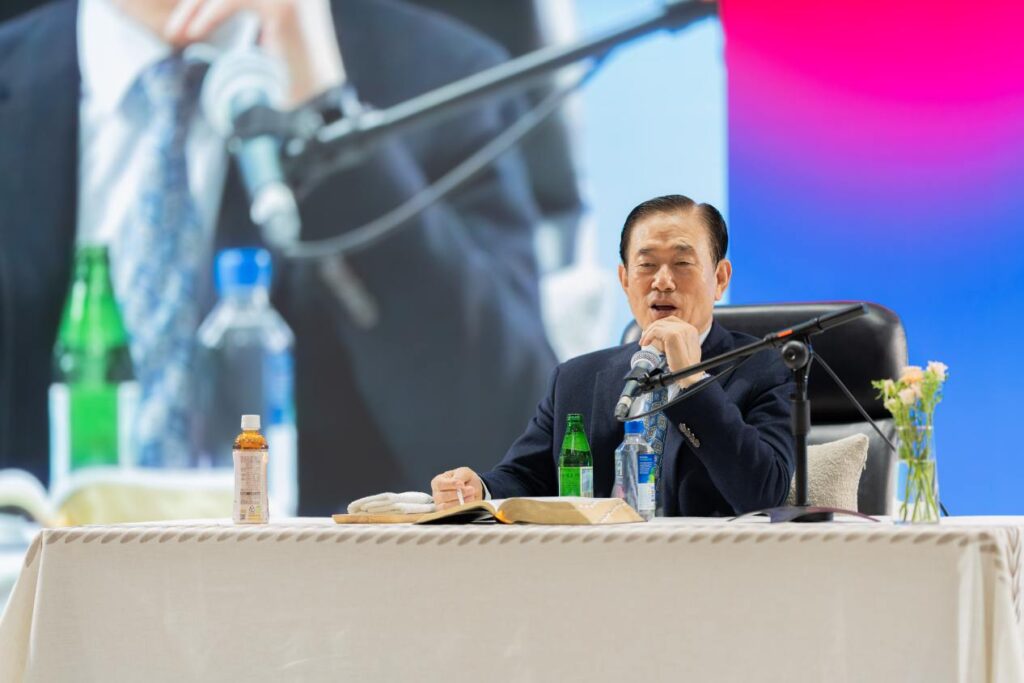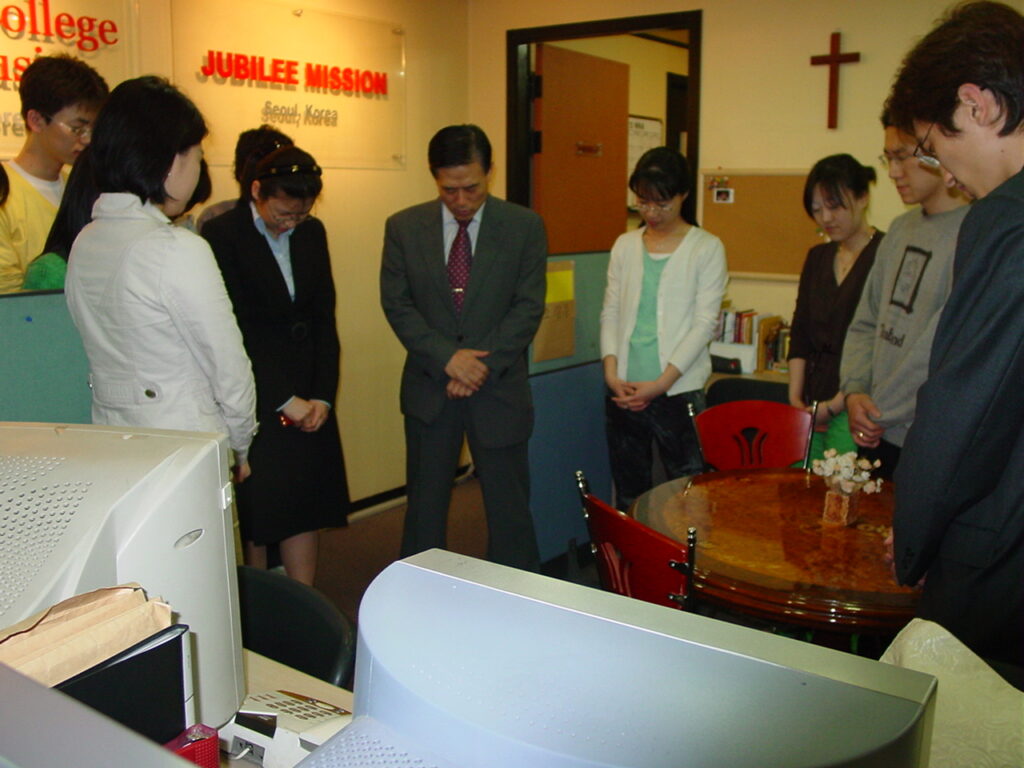
Radiant Obedience Drawn from the Abyss of Darkness – Pastor David Jang (Olivet University)

The night air was cold. Moonlight, seeping through the dense leaves of the olive trees, fell upon the curved back of a man prostrate on the ground. On that night when the red blood of sacrificial offerings—poured out at the altar of the Jerusalem temple—flowed down and soaked the Kidron Valley, a heavy loneliness and the metallic scent of blood pooled over Gethsemane. The disciples’ eyelids grew heavy, and the world sank into quiet sleep; yet only one man bore, with His whole body, the weight of an approaching cosmic tragedy—until beads of sweat became drops of blood and dampened the earth beneath Him. This was not merely the pitiful silhouette of a defeated man. It was the fierce labor of the spirit, the very place where the greatest victory in human history was being conceived.

The Crimson Kidron Valley, the Holy Pressing in Silence

Gethsemane, in its original Aramaic sense, refers to an “oil press,” a place where oil is extracted. Just as hard olives must be crushed under a heavy stone until they lose their shape entirely before they yield pure, clear oil, so Christ, within the merciless press of suffering that crushed His soul, poured out the holy oil of obedience. Pastor David Jang examines the landscape of that desperate night with careful detail, awakening us to the true meaning of the cross—the meaning we so often try to avoid.

As Jesus crossed the Kidron Valley—reddened by the blood of countless lambs—He would have felt a dreadful weight of atonement beyond anything human imagination can grasp. Yet the disciples, insensitive, pass through that blood-stained valley while singing the Passover hymns of praise. In this stark contrast, the question Pastor David Jang places before us lands with gravity: faith is not merely the bright applause of palm branches, intoxicated with victory. The essence of the gospel shines precisely when we willingly walk into the deepest, coldest darkness within, and in a desperate resolve entrust ourselves wholly to the will of heaven.

The Art of Obedience Shaped by a Shattered Self

C.S. Lewis—an eminent British writer and Christian apologist—offered a penetrating insight in The Problem of Pain: the only true gift a creature can offer the Creator is to surrender its own will. Fallen human nature keeps insisting on “my will,” striving to enthrone itself as king. Yet the power of true life seeps in through the cracks—through the very moment the rigid will of the self splinters into pieces.

The prayer Jesus offered in Gethsemane displays the summit of this great “surrender of will”:
“Abba, Father… remove this cup from me. Yet not what I will, but what you will.”
Though He had the right and the power to escape, He did not. This voluntary choice was the key that flung open the once-closed door of salvation. Pastor David Jang makes it clear in his preaching that this prayer did not arise from a cold, steel-like transcendence devoid of blood and tears. It was a tear that blossomed in the very center of extreme human frailty—He was “greatly distressed and troubled,” overwhelmed with sorrow. The honest courage to bring one’s trembling—without hiding it—just as it is, before the Father: this is the posture of true faith we must learn, and the crystallization of the deepest theological insight.

The Collapse of One Hour, and the Grace that Holds Frailty to the End

Yet during that “one hour (one moment of time)” when the history of salvation moved forward in silence and the universe held its breath, the disciples could not overcome the thin fatigue of the flesh and fell into deep sleep. Even Peter—who only hours earlier had boldly vowed that he would never leave his Lord, even if it meant death—could not endure Gethsemane’s heavy silence and loneliness with open eyes. The ridiculous yet wretched image of a young man who abandons even his linen cloth and runs naked into the darkness starkly represents the miserable face of our humanity—so easily torn apart at the moment of crisis.

But the Gospels were not written to condemn or mock their devastating failure. They were written, rather, to testify to an overwhelming grace that comes searching for us even at the bottom of our collapse. With a sharpened gaze, Pastor David Jang sees in the disciples’ downfall an exposure of how empty and flimsy a religiosity built on self-confidence truly is. At the same time, he underscores that the Lord’s lamenting command—“Watch and pray”—is not mere moral training; it is the only survival prescription that preserves the soul before temptation that charges like a wild beast. Only when we stay awake and fall on our knees can we cross the night of temptation.

The Dawn-Light of Glory Blooming in Sorrow

“Sleep and take your rest… Rise, let us be going.” When Jesus finished His long and agonizing threefold prayer, the thick shadow of fear no longer remained on His face. Nothing in His circumstances had changed. The torches of the approaching crowd and their swords and clubs still flashed with threat. Yet the soul that, through prayer, had fixed its inner compass completely upon the will of the heavenly Father stood steady and calm—even in the center of the storm. Pastor David Jang weaves, through beautiful biblical meditation, this truth: prayer may not immediately stop the suffering that crashes into our lives, but it can utterly transform our spiritual posture and the direction of our gaze as we face it.

In the deep night of Lent, Gethsemane does not remain only on a remote slope of the Mount of Olives outside Jerusalem two thousand years ago. The pain of illness that seems endless, the severing of relationships with those we trusted most, the suffocating uncertainty of a tomorrow we cannot see—when we sob, “Why have You given me this bitter cup?” the center of our daily life becomes Gethsemane. In that cold, lonely night of the soul, the invitation toward the cross proclaimed by Pastor David Jang makes our hardened hearts beat warm again.

Not running from the place of despair that feels as if it will collapse at any moment. Trusting our Father to the very end even before a providence we cannot understand, and quietly stepping forward onto the path of the cross. As we pass through this narrow and solitary road of Gethsemane, at last we will receive—upon our whole being—the glorious morning light of the resurrection poured out in splendor.
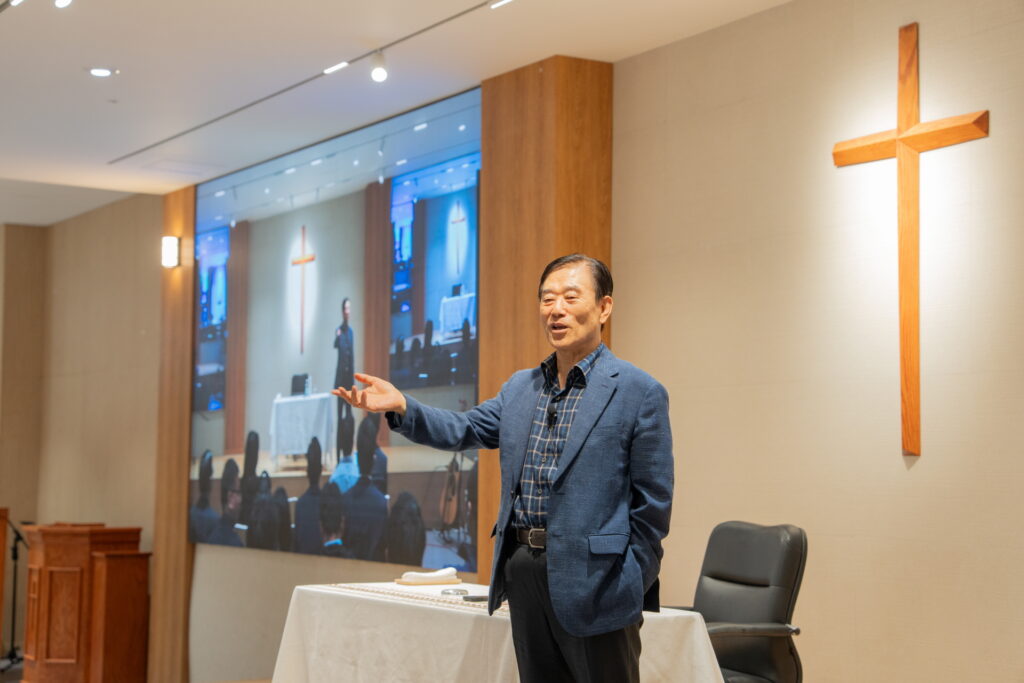
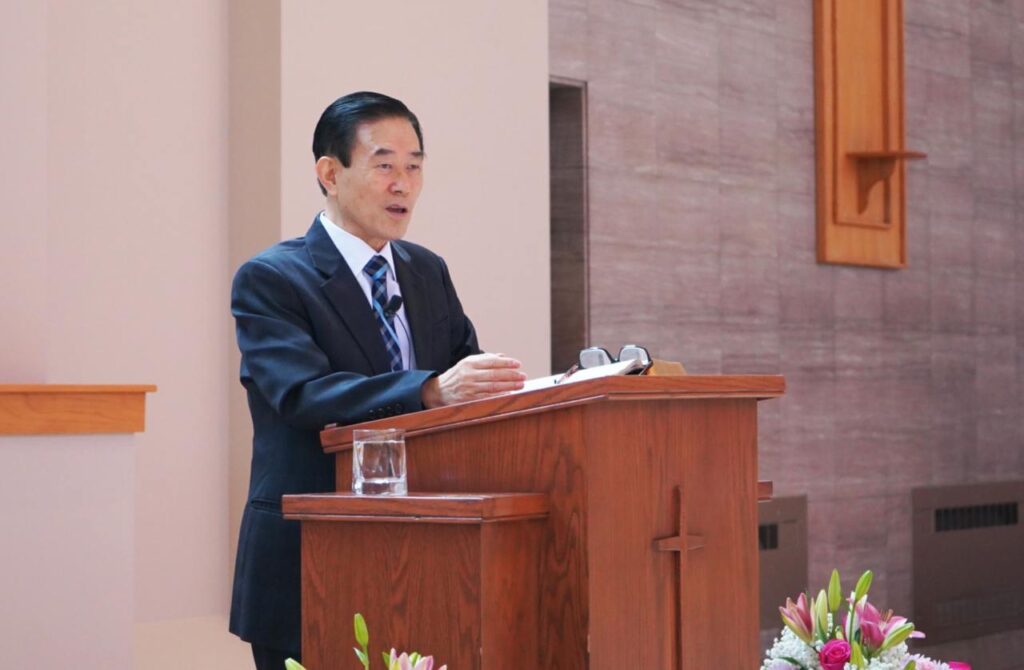
http://www.davidjang.org

어둠의 심연에서 길어 올린 눈부신 순종 – 장재형 목사 (Olivet University)

밤공기는 서늘했고, 무성한 감람나무 잎사귀 사이로 스며든 달빛은 땅에 엎드린 한 남자의 굽은 등을 비추고 있었습니다. 예루살렘 성전 제단에서 흘러내린 희생제물들의 붉은 피가 기드론 골짜기를 적시며 흘러가던 그 밤, 겟세마네에는 짙은 고독과 피비린내가 함께 고여 있었습니다. 제자들의 눈꺼풀은 무거웠고 세상은 고요히 잠들었으나, 오직 단 한 사람만이 다가오는 우주적 비극의 무게를 온몸으로 받아내며 땀방울이 핏방울이 되도록 땅을 적시고 있었습니다. 이것은 단순한 패배자의 애처로운 뒷모습이 아니라, 인류 역사상 가장 위대한 승리가 잉태되는 치열한 영적 산고의 현장이었습니다.

붉게 물든 기드론 골짜기, 침묵 속의 거룩한 압착

겟세마네는 본래 아람어로 ‘기름을 짜는 틀’ 곧 채유소를 의미하는 장소입니다. 단단한 올리브 열매가 무거운 돌무게에 짓눌려 완전히 형체를 잃어버릴 때 비로소 맑고 순전한 기름을 내어놓듯, 그리스도는 자신의 영혼을 무자비하게 짓누르는 고통의 압착기 속에서 순종이라는 거룩한 기름을 흘려보내셨습니다. 장재형 목사는 이 처절한 밤의 풍경을 세밀하게 조명하며, 우리가 애써 외면하고자 하는 십자가의 참된 의미를 일깨웁니다.

수십만 마리의 어린 양이 피를 흘린 기드론 골짜기를 지나며 예수가 느꼈을 대속의 끔찍한 무게는 인간의 상상을 초월하는 것이었습니다. 그러나 제자들은 그 붉은 골짜기를 유월절의 찬미를 부르며 둔감하게 건넙니다. 이 극명한 대비 속에서 장재형 목사가 던지는 화두는 묵직합니다. 신앙이란 그저 밝고 승리감에 도취된 종려나무 가지의 환호가 아니라는 것입니다. 복음의 진수는 내면의 가장 깊고 서늘한 어둠 속으로 기꺼이 걸어 들어가, 하늘의 뜻에 자신을 온전히 내어맡기는 처절한 결단 속에서 빛을 발합니다.

부서진 자아가 빚어낸 순종의 예술

영국의 탁월한 문학가이자 기독교 변증가인 C.S. 루이스는 그의 명저 『고통의 문제』에서 “피조물이 창조주에게 바칠 수 있는 유일하고도 진정한 선물은 자신의 의지를 포기하는 것”이라고 깊이 있게 통찰한 바 있습니다. 타락한 인간의 본성은 끊임없이 ‘나의 뜻’을 관철하고 스스로 왕좌에 오르려 하지만, 진정한 생명의 능력은 자아의 뻣뻣한 의지가 산산이 부서지는 그 균열의 틈새를 뚫고 스며듭니다.

예수께서 겟세마네에서 올리신 기도는 바로 이 위대한 ‘의지 포기’의 절정을 보여줍니다. “아바 아버지여, 이 잔을 내게서 옮기시옵소서. 그러나 나의 원대로 마옵시고 아버지의 원대로 하옵소서.” 피할 수 있는 권리와 능력이 있었음에도 불구하고 피하지 않은 이 자발적 선택이야말로, 닫혀 있던 구원의 문을 활짝 열어젖힌 핵심 열쇠였습니다. 장재형 목사는 설교를 통해 이 위대한 기도가 피도 눈물도 없는 강철 같은 초월성에서 나온 것이 아님을 명확히 합니다. 그것은 “심히 놀라시며 슬퍼하시는” 극도의 인간적 연약함 한가운데서 피어난 눈물이었습니다. 자신의 흔들림을 감추지 않고 있는 그대로 아버지께 가져가는 정직한 용기, 그것이 바로 우리가 본받아야 할 참된 신앙의 자세이자 가장 깊은 신학적 통찰의 결정체입니다.

한 시의 무너짐, 그 연약함을 끝까지 끌어안는 은혜

그러나 구원의 역사가 묵묵히 진행되며 온 우주가 숨죽인 그 ‘한 시(시간)’ 동안, 제자들은 육신의 얄팍한 피곤함을 이기지 못하고 깊은 잠에 빠져듭니다. 불과 몇 시간 전만 해도 주와 함께 죽을지언정 결코 떠나지 않겠다고 호언장담했던 베드로조차 겟세마네의 무거운 침묵과 고독을 뜬 눈으로 견디지 못했습니다. 홑이불을 버리고 벌거벗은 채 어둠 속으로 도망친 한 청년의 우스꽝스럽고도 비참한 모습은, 위기의 순간에 여지없이 찢겨나가고 마는 우리 인간의 비루한 민낯을 적나라하게 대변합니다.

하지만 복음서는 이들의 참담한 실패를 정죄하거나 조롱하기 위해 기록되지 않았습니다. 오히려 그 실패의 밑바닥까지 기어이 찾아오시는 압도적인 은혜를 증명하기 위함입니다. 장재형 목사의 벼려진 시선은, 제자들의 무너짐이 자기 확신을 의지하는 얄팍한 종교심이 얼마나 허망한지를 고발한다고 봅니다. 동시에 “깨어 기도하라”는 주님의 탄식 어린 명령이 단순한 도덕적 수양을 넘어, 맹수처럼 달려드는 유혹 앞에서 영혼을 지켜내는 유일한 생존 처방임을 역설합니다. 우리는 깨어 엎드릴 때에만 비로소 유혹의 밤을 건널 수 있습니다.

슬픔 속에서 피어나는 영광의 새벽빛

“이제는 자고 쉬라… 일어나라 함께 가자.” 길고 고통스러운 세 번의 기도를 마친 예수의 얼굴에는 더 이상 짙은 두려움의 그늘이 존재하지 않았습니다. 환경은 조금도 변하지 않았고 다가오는 무리들의 횃불과 창검은 여전히 위협적으로 번뜩였지만, 기도를 통해 내면의 방향타를 하늘 아버지의 뜻에 온전히 고정시킨 영혼은 폭풍의 한가운데서도 흔들림 없이 고요했습니다. 장재형 목사는 기도가 우리 삶에 불어닥치는 고난의 사건 자체를 당장 멈추게 하지는 못할지라도, 그 사건을 맞이하는 우리의 영적 태도와 시선을 완전히 뒤바꾸어 놓는다는 진리를 아름다운 성경 묵상으로 직조해 냅니다.

사순절의 깊은 밤, 겟세마네는 단지 이천 년 전 예루살렘의 외진 감람산 자락에만 머물지 않습니다. 끝이 보이지 않는 질병의 고통, 가장 믿었던 이들과의 관계 단절, 한 치 앞을 알 수 없는 삶의 막막함 앞에서 “어찌하여 내게 이런 쓰라린 잔을 주시나이까”라며 통곡하는 우리의 일상 한복판이 곧 겟세마네입니다. 그 차갑고 고독한 영혼의 밤에 장재형 목사가 전하는 십자가를 향한 초대는 우리의 굳은 가슴을 다시 뜨겁게 고동치게 합니다.

무너질 것만 같은 절망의 자리에서 도망치지 않는 것. 이해할 수 없는 섭리 앞에서도 나의 아버지를 끝까지 신뢰하며 묵묵히 십자가의 길로 걸음을 내딛는 것. 이 좁고 외로운 겟세마네의 길을 통과할 때, 마침내 우리는 영광스럽게 쏟아지는 부활의 아침 빛을 온몸으로 맞이하게 될 것입니다.

www.davidjang.org

Donde el temblor se detuvo – Pastor David Jang (Olivet University)

Pastor David Jang

En la residencia del gobernador en Cesarea, adonde llega el viento húmedo del Mediterráneo, un pesado silencio y una tensión densa se extienden sobre el suelo de mármol. Bajo el emblema del águila que exhibe el esplendor del Imperio romano, el gobernador Félix está sentado con ropajes fastuosos. Frente a él, de pie, está el apóstol Pablo con un pobre atuendo de prisionero. A simple vista, esto parece un juicio ordinario en el que la ley del imperio interroga a un simple reo. Pero si abrimos los ojos espirituales y miramos de cerca esta escena, este lugar se convierte en un inmenso campo de batalla espiritual, donde el poder más fuerte del mundo choca de frente con una verdad que el mundo no puede soportar.

La fría hoja del estigma, escondida tras una elocuencia brillante
La obra de 1890 del pintor realista ruso Nikolái Ge (Nikolai Ge), ¿Qué es la verdad? (What is Truth?), ofrece una inspiración sorprendente para comprender el paisaje de este tribunal. En el cuadro, Pilato viste una toga suntuosa, pero permanece en las sombras, dándonos la espalda con un cinismo helado; en cambio, Jesucristo, humilde, se encuentra en plena luz y, con su silencio, proclama la verdad con más fuerza que cualquier discurso. El tribunal de Cesarea no es diferente. El abogado Tértulo abre su acusación con un torrente de halagos al gobernador, pero en la punta de su lengua se oculta una hoja fría: llamar a Pablo “una peste” y marcarlo como “cabecilla de la secta de los nazarenos”.

El pastor David Jang, a través de su sermón sobre Hechos de los Apóstoles 24, capta con agudeza que este “etiquetado” o estigmatización (labeling) no es solo una técnica de los tribunales antiguos, sino también la forma típica en que el mundo se relaciona con el evangelio hoy. Como el mundo teme la verdad y el debate teológico, siempre evita lo esencial y busca amordazar la verdad colocando marcos como “caos social” o “amenaza al sistema”. Sin embargo, Pablo no se dejó llevar por la provocación. Confesó serenamente que él es alguien “en Cristo”, y elevó el asunto del tribunal desde un plano meramente jurídico a la dimensión de la fe en la resurrección y la perspectiva teológica. Aquello no fue una excusa humillante de un prisionero, sino un rugido valiente que proclamaba que incluso los tribunales del mundo están bajo la soberanía de Dios.

El poderoso en la oscuridad, el prisionero en la luz
A medida que avanza el juicio, ocurre un extraño giro de inversión. Félix, sentado en el estrado, se vuelve cada vez más inquieto, y Pablo, encadenado, se vuelve más libre. En lugar de rogar clemencia por su propia seguridad, Pablo expone ante el gobernador y su esposa “la justicia, el dominio propio y el juicio venidero”. El pastor David Jang interpreta este pasaje como la cumbre del ministerio de Pablo y como un enfrentamiento frontal del evangelio contra el poder. La “justicia” es el criterio de Dios que interpela a un gobernante corrupto; el “dominio propio” es una advertencia al poder empapado de codicia; y el “juicio” es un mensaje como trueno que recuerda la existencia de un tribunal eterno por encima de la ley del imperio.

Así como Pilato, en el cuadro de Nikolái Ge, dio la espalda a Jesús —la Verdad— y se internó en la oscuridad, Félix también tembló de miedo ante el mensaje de Pablo. Su conciencia reaccionó ante la luz de la verdad. Pero la tragedia radica en que ese temblor no desembocó en arrepentimiento. Félix dice: “Por ahora, vete; cuando tenga oportunidad, te llamaré”. El pastor David Jang señala que esta “postergación” (procrastinación) es, precisamente, uno de los errores espirituales más fatales que puede cometer el ser humano. El temor podía haber sido el umbral de la gracia, pero él no cruzó ese umbral: se quedó calculando. En el momento en que el oportunismo y el cálculo político ahogaron la voz de la conciencia, la oportunidad de salvación se desvaneció como niebla.

Decir “lo escucharé después” es un anestésico que adormece el alma
Félix mantuvo a Pablo bajo custodia durante dos años. En la superficie, eso parece un tiempo de “detención” injusta para Pablo. Pero la profunda meditación bíblica del pastor David Jang reinterpreta esos dos años de silencio no como un fracaso, sino como un tiempo de “maduración”. El reloj de Dios nunca se detuvo: esos dos años fueron un periodo de preparación en el que Pablo, antes de ir a Roma, consolidó con más firmeza la esencia del evangelio. Mientras el poder del mundo alargaba el tiempo esperando sobornos, Dios usó ese tiempo para proteger y formar a su apóstol.

¿Ante el tribunal de quién estamos hoy? El mundo todavía nos tienta a “transigir lo suficiente” y a “elegir un silencio seguro antes que una verdad incómoda”. Pero Hechos de los Apóstoles 24 nos pregunta: ¿serás como Félix, que aunque sintió el temblor promete un “después” y retrocede, o serás como Pablo, que aun atado habla de “justicia, dominio propio y juicio”? Como exhortó el pastor David Jang, en el mundo de la fe no existe el “después”. Cuando el Espíritu Santo hiere el corazón con convicción, ese instante es el “ahora” en el que debemos decidir.

El poder cobarde siempre conspira por un mañana conveniente, pero la fe verdadera enfrenta el hoy incómodo. En el tribunal de nuestro trabajo, nuestro hogar y nuestra sociedad, lo que debemos aferrar no son discursos brillantes ni habilidades de supervivencia social. Solo la vida de resurrección de Jesucristo, solo el poder del evangelio, nos hace verdaderamente libres. Anhelo que hoy también, sin encogernos ante los juicios del mundo, nos sea concedida a todos una valentía santa para vivir la verdad con firmeza, como Pablo de pie en la luz.

www.davidjang.org

【コラム】震えが止んだ場所で – 張ダビデ 牧師 (Olivet University)

張ダビデ 牧師

地中海の湿った風が吹き込むカイサリアの総督官邸。大理石の床の上に、重い沈黙と張りつめた緊張が漂っています。ローマ帝国の威光を誇る鷲の紋章の下、総督フェリクスが華やかな衣をまとって座っています。その向かいには、みすぼらしい囚人服を着た使徒パウロが立っています。見た目には、帝国の法が一人の罪人を取り調べる、ごくありふれた裁判の場にすぎないように見えるでしょう。けれども霊の目を開いてこの場面を見つめるなら、ここはこの世で最も強大な権力と、この世が到底担いきれない真理とが真正面から衝突する、巨大な霊的戦場(戰場)なのです。

華麗な弁舌の裏にされた、冷たい烙印の刃

ロシアの写実主義画家ニコライ・ゲ(Nikolai Ge)による1890年作『真理とは何か?(What is Truth?)』は、この法廷の光景を理解する上で驚くほどの示唆を与えてくれます。絵の中でピラトは華麗なトガをまといながらも暗い影の中に立ち、冷笑的に背を向けています。対して、粗末な姿のイエス・キリストは明るい光の中に立ち、沈黙そのものによって真理を雄弁に語っています。カイサリアの法廷も、これと大差ありません。弁士テルトロは、きらびやかな美辞麗句で総督を持ち上げて口火を切りますが、その舌先に隠れていたのは、パウロを「疫病(伝染病)」と呼び、「ナザレ人の異端のかしら」と烙印を押す冷たい刃でした。

張ダビデ牧師は、使徒の働き24章の説教を通して、この「レッテル貼り(Labeling)」が古代法廷の技術にとどまらず、現代の世界が福音に向き合う典型的なやり方でもあることを鋭く捉えます。世界は真理や神学的論争を恐れるがゆえに、いつも本質から目をそらし、「社会の混乱」や「体制への脅威」というフレームをかぶせて、真理の口を塞ごうとします。ところがパウロは、その策謀の前で取り乱しませんでした。自分が「キリストのうちにある」者であることを淡々と告白し、法廷の争点を単なる司法の次元から、復活信仰という神学的洞察の次元へと引き上げていきます。これは囚人の卑屈な言い訳ではなく、世の法廷さえも神の主権の下にあることを宣言する、堂々たる獅子吼でした。

闇にいる力者、光の中に立つ囚人

裁判が進むほどに、不思議な逆転現象が起こります。裁きの席に座るフェリクスは次第に不安に支配され、鎖につながれたパウロはますます自由になっていきます。パウロは自分の身の安全のために寛大な処置を乞うのではなく、むしろ総督夫妻に向かって「義と節制と、来たるべきさばき」について論じます。張ダビデ牧師はこの場面を、パウロの働きの頂点であり、権力に対する福音の真正面からの勝負だと読み解きます。「義」とは腐敗した統治者に突きつけられる神の基準であり、「節制」とは貪欲に溺れた権力への警告であり、「さばき」とは帝国の法の上に存在する永遠の大法廷を思い起こさせる、雷鳴のようなメッセージだったのです。

ニコライ・ゲの絵の中のピラトが、真理そのものであるイエスを背にして闇へ歩み去ったように、フェリクスもまたパウロのメッセージの前で恐れて震えました。彼の良心は、真理の光に反応したのです。しかし悲劇は、その震えが悔い改めへと結びつかなかったことにあります。フェリクスは言います。
「今は帰れ。都合のよい時が来たら、お前を呼ぼう。」
張ダビデ牧師は、この「先延ばし(Procrastination)」こそが、人が犯しうる最も致命的な霊的過ちだと指摘します。恐れは恵みの敷居になり得たのに、彼は計算機を叩き、その敷居を越えませんでした。便宜主義と政治的計算が良心の声を覆い隠した瞬間、救いの機会は霧のように消えていったのです。

「次に聞く」という言葉は、魂を眠らせる麻酔剤

フェリクスはパウロを二年も拘留しました。表面的には、それはパウロにとって理不尽な「停止」の時間のように見えます。けれども張ダビデ牧師の深い聖書黙想は、その二年の沈黙を失敗ではなく、「熟成」の時として再解釈します。神の時計は一度も止まったことがなく、その二年はパウロがローマへ向かう前に福音の精髄をいっそう堅固にするための準備期間でした。世の権力は賄賂を期待して時間を引き延ばしましたが、神はその時間を用いてご自分の使徒を守り、鍛え上げられたのです。

今日、私たちは誰の法廷に立っているのでしょうか。世界は今もなお、「ほどほどに妥協しろ」「不都合な真実より安全な沈黙を選べ」と誘惑します。しかし使徒の働き24章は私たちに問いかけます。あなたはフェリクスのように震えを感じながらも「次」を約束して退くのか、それともパウロのように縛られたままでも「義と節制とさばき」を語るのか。張ダビデ牧師が語った勧めのとおり、信仰の世界に「次」はありません。聖霊が心を刺すとき、その瞬間こそが決断すべき「今」なのです。

卑怯な権力はいつも都合のよい「いつか」を企てますが、真の信仰は不都合な「今日」に向き合います。私たちの職場と家庭、そして社会という法廷で、握りしめるべきものは華麗な弁論や処世術ではありません。ただイエス・キリストの復活のいのち、その福音の力だけが、私たちを真に自由にするのです。今日も世の判断の前で萎縮することなく、光の中に立つパウロのように堂々と真理を生き抜く聖なる勇気が、私たちすべてに臨むことを願います。

日本オリベットアッセンブリー教団

www.davidjang.org

[Chronique] Là où le tremblement s’est arrêté – Pasteur David Jang (Olivet University)

Pasteur David Jang

Dans la résidence du gouverneur à Césarée, d’où souffle l’air humide de la Méditerranée, un lourd silence et une tension palpable s’étendent sur le sol de marbre. Sous l’emblème de l’aigle, fierté de l’Empire romain, le gouverneur Félix siège, revêtu d’habits somptueux. En face de lui se tient l’apôtre Paul, vêtu d’une tenue de prisonnier, misérable en apparence. À première vue, ce n’est qu’un tribunal ordinaire : la loi de l’Empire interrogeant un simple accusé. Mais si l’on ouvre les yeux de l’esprit, la scène se révèle autrement : c’est un immense champ de bataille spirituel où s’affrontent, de front, la puissance la plus redoutable du monde et une vérité que le monde ne peut contenir.

La lame froide du stigmate, dissimulée derrière l’éloquence

Le tableau réaliste de 1890 du peintre russe Nikolaï Gué (Nikolai Ge), « Qu’est-ce que la vérité ? » (What is Truth?), offre une inspiration saisissante pour comprendre le paysage de ce tribunal. Dans la peinture, Pilate porte une toge éclatante, mais se tient dans l’ombre, tournant le dos avec un cynisme glacial. À l’inverse, Jésus-Christ, pauvrement vêtu, demeure dans une lumière vive : son silence lui-même proclame la vérité. Le tribunal de Césarée n’est pas différent. L’avocat Tertulle ouvre la séance en flattant le gouverneur par une rhétorique luxuriante ; mais au bout de sa langue se cache une lame froide : il qualifie Paul de « peste » (un fléau contagieux) et le marque au fer rouge comme « chef de la secte des Nazaréens ».

Par sa prédication sur Actes 24, le pasteur David Jang saisit avec acuité que cet « étiquetage » (labeling) n’est pas seulement une technique des tribunaux antiques, mais aussi la manière typique dont le monde, aujourd’hui encore, traite l’Évangile. Le monde redoute la vérité et la confrontation théologique ; il détourne donc toujours le regard de l’essentiel pour plaquer un cadre commode — « trouble social », « menace pour le système » — afin de faire taire la voix de la vérité. Pourtant, Paul ne s’emporte pas devant la machination. Il confesse calmement ce qu’il est « en Christ », et élève l’affaire du plan strictement judiciaire à la hauteur d’une perspicacité théologique : la foi en la résurrection. Ce n’était pas l’excuse servile d’un prisonnier, mais un rugissement de lion : la proclamation que même les tribunaux du monde se trouvent sous la souveraineté de Dieu.

Le puissant dans l’ombre, le prisonnier dans la lumière

À mesure que le procès avance, un renversement étrange se produit. Félix, assis sur le siège du juge, devient de plus en plus inquiet ; Paul, enchaîné, paraît de plus en plus libre. Au lieu de supplier pour son sort, Paul va jusqu’à exposer devant le gouverneur et son épouse un enseignement sur « la justice, la maîtrise de soi et le jugement à venir ». Le pasteur David Jang interprète ce passage comme un sommet du ministère de Paul — une confrontation frontale de l’Évangile avec le pouvoir. La « justice » est la norme de Dieu adressée à un dirigeant corrompu ; la « maîtrise de soi » est l’avertissement lancé à un pouvoir ivre de convoitise ; et le « jugement » est un message tonitruant rappelant qu’au-dessus du droit impérial existe une Cour suprême éternelle.

Comme Pilate, dans le tableau de Nikolaï Gué, qui détourne le regard de Jésus — la Vérité — pour entrer dans l’obscurité, Félix lui aussi tremble devant le message de Paul. Sa conscience réagit à la lumière de la vérité. Mais la tragédie tient à ceci : ce tremblement ne conduit pas à la repentance. Félix dit : « Pour le moment, retire-toi ; quand j’en trouverai l’occasion, je te rappellerai. » Le pasteur David Jang souligne que ce « report » (procrastination) est l’une des erreurs spirituelles les plus fatales que l’être humain puisse commettre. La crainte aurait pu devenir le seuil de la grâce ; mais, calculatrice en main, Félix refuse de franchir ce seuil. Lorsque le confort et les calculs politiques recouvrent la voix de la conscience, l’occasion du salut se dissipe comme une brume.

« J’écouterai plus tard » : un anesthésiant pour l’âme

Félix maintient Paul en détention pendant deux ans. En surface, cela ressemble à un temps d’arrêt injuste, imposé à Paul. Mais la méditation biblique profonde du pasteur David Jang réinterprète ce silence de deux années non comme un échec, mais comme un temps de « maturation ». L’horloge de Dieu ne s’est jamais arrêtée : ces deux ans furent une période de préparation, où Paul affermit l’essentiel de l’Évangile avant d’aller à Rome. Le pouvoir du monde cherchait des pots-de-vin et faisait traîner les choses ; Dieu, lui, a utilisé ce temps pour protéger son apôtre et le fortifier.

Aujourd’hui, devant le tribunal de qui nous tenons-nous ? Le monde continue de nous tenter : « Compromets-toi juste un peu », « choisis un silence sûr plutôt qu’une vérité inconfortable ». Mais Actes 24 nous interroge : allons-nous, comme Félix, ressentir un tremblement puis promettre « plus tard » en reculant ? Ou allons-nous, comme Paul, même liés, parler de « justice, maîtrise de soi et jugement » ? Comme l’exhortation transmise par le pasteur David Jang, dans le monde de la foi, « plus tard » n’existe pas. Lorsque le Saint-Esprit pique le cœur, c’est précisément cet instant-là qui s’appelle « maintenant ».

Le pouvoir lâche cherche toujours un lendemain commode ; la foi véritable affronte l’aujourd’hui inconfortable. Dans le tribunal de notre travail, de notre foyer, et de notre société, ce que nous devons tenir n’est ni l’éloquence brillante ni l’art de ménager les choses. C’est uniquement la vie de résurrection de Jésus-Christ — la puissance de cet Évangile — qui nous rend réellement libres. Puissions-nous, aujourd’hui encore, ne pas nous laisser rapetisser par le jugement du monde, mais vivre la vérité avec une sainte audace, comme Paul debout dans la lumière.

www.davidjang.org

[Column] Where the Trembling Stopped – Pastor David Jang (Olivet University)

Pastor David Jang

In the governor’s residence at Caesarea, where the humid Mediterranean wind drifts in, a heavy silence and tension settle over the marble floor. Beneath the eagle emblem that boasts the grandeur of the Roman Empire, Governor Felix sits dressed in splendid robes. Across from him stands the apostle Paul, clothed in the shabby garments of a prisoner. Outwardly, it looks like an ordinary courtroom—imperial law interrogating a mere criminal. Yet when we behold the scene with spiritual eyes, this is a vast spiritual battleground where the world’s mightiest power collides head-on with a truth the world cannot bear.

The Cold Blade of a Label Hidden Behind Flowery Rhetoric

Russian realist painter Nikolai Ge’s 1890 work What is Truth? offers striking inspiration for understanding this courtroom. In the painting, Pilate wears a magnificent toga, yet stands in dark shadow, turning his back with cynical indifference. By contrast, the humble Jesus Christ stands in bright light, proclaiming truth through silence. The scene in Caesarea is no different. The lawyer Tertullus opens with lavish flattery of the governor, but what lies behind his polished words is a cold blade—branding Paul a “plague” and stigmatizing him as “the ringleader of the Nazarene sect.”

Through his sermon on Acts 24, Pastor David Jang incisively observes that this kind of “labeling” is not merely a legal tactic of ancient courts, but also the world’s typical way of dealing with the gospel today. Because the world fears truth and theological confrontation, it repeatedly avoids the essence and instead tries to silence truth by framing it as “social disorder” or a “threat to the system.” Yet Paul does not flare up in the face of such schemes. Calmly confessing that he is one “in Christ,” he elevates the courtroom’s issue from a merely legal dispute to the theological horizon of resurrection faith. This was not the cringing excuse of a defendant, but a bold, lion-like proclamation that even the courts of this world stand under the sovereignty of God.

A Ruler in Darkness, a Prisoner Standing in the Light

As the trial continues, a strange reversal unfolds. Felix, seated on the judgment bench, grows increasingly uneasy, while Paul, bound in chains, becomes ever more free. Instead of pleading for mercy for his own safety, Paul turns toward the governor and his wife and speaks of “righteousness, self-control, and the judgment to come.” Pastor David Jang interprets this moment as the summit of Paul’s ministry and the gospel’s direct confrontation with power. “Righteousness” is God’s standard aimed at a corrupt ruler; “self-control” is a warning to power drenched in greed; and “judgment” is a thunderous message reminding them of an eternal Supreme Court that stands above imperial law.

Just as the Pilate in Ge’s painting averts his eyes from Jesus, who is Truth, and walks into darkness, Felix too trembles in fear before Paul’s message. His conscience reacts to the light of truth. Yet the tragedy is that the trembling does not lead to repentance. Felix says, “Go away for now; when I have an opportunity, I will send for you.” Pastor David Jang points out that this “procrastination” is one of the most fatal spiritual mistakes a person can make. Fear could have become the threshold of grace, but instead Felix tapped his calculator and refused to step over that threshold. The moment convenience and political calculation drowned out the voice of conscience, the opportunity of salvation vanished like mist.

“I’ll Listen Next Time” Is an Anesthetic That Puts the Soul to Sleep

Felix kept Paul confined for two years. On the surface, it appears to be an unjust “pause” forced upon Paul. Yet Pastor David Jang’s deep meditation on Scripture reinterprets those two silent years not as failure, but as a time of “maturation.” God’s clock never stopped; those two years became a season of preparation in which Paul strengthened the essence of the gospel before going to Rome. Worldly power dragged time out in hopes of a bribe, but God used that same time to protect and refine His apostle.

So today, in whose courtroom are we standing? The world still tempts us to “compromise just enough,” to “choose safe silence over uncomfortable truth.” But Acts 24 presses a question upon us: Will you, like Felix, feel the tremor and still retreat by promising yourself “next time”? Or will you, like Paul—bound and yet free—speak of “righteousness, self-control, and judgment”? As Pastor David Jang’s exhortation reminds us, in the realm of faith there is no “next time.” When the Holy Spirit pierces the heart, that moment is the “now” in which we must decide.

Cowardly power always schemes for a convenient tomorrow, but true faith faces the discomfort of today. In the courtrooms of our workplaces, our homes, and our society, what we must hold onto is not polished argument or worldly savvy. It is the resurrection life of Jesus Christ—only the power of that gospel truly sets us free. May a holy courage come upon us all, so that we do not shrink back before the world’s verdict, but live out the truth boldly, like Paul standing in the light.

www.davidjang.org

战栗停下的地方,怯懦的权力总是把希望押在“下次” – 张大卫牧師 (Olivet University)

地中海潮湿的风掠过该撒利亚的总督官邸,沉重的沉默与紧张在大理石地面上弥漫。在彰显罗马帝国威严的鹰徽之下,总督腓力斯身着华服端坐。与他相对的,是穿着破旧囚衣的使徒保罗。表面看来,这不过是帝国法律在审问一个微不足道的囚犯的寻常庭审;然而若以属灵的眼光凝视,这里却是世上最强大的权势,与世人无法承载的真理正面相撞的巨大属灵战场。

华丽辞藻背后,隐藏着冷酷的“贴标签”刀锋
俄罗斯现实主义画家尼古拉·盖(Nikolai Ge)1890年的作品《什么是真理?》(What is Truth?)为理解这幅法庭图景提供了惊人的启发。画中的彼拉多虽披着华丽的托加,却站在幽暗阴影里,以冷嘲的姿态背对众人;而衣着朴素的耶稣基督立于明亮之光中,以沉默雄辩真理。该撒利亚法庭的景象也并无二致。控方代言人帖土罗以华丽的辞藻称颂总督、拉开序幕,但他舌尖所藏的,却是把保罗称作“瘟疫”,并扣上“拿撒勒教门头目”的冷酷刀刃。

张大卫牧师在《使徒行传》第24章的讲道中敏锐指出,这种“贴标签(Labeling)”不仅是古代法庭的技巧,更是今日世界对待福音的典型方式。世界惧怕真理与神学的交锋,便常常回避本质,转而以“社会动荡”“威胁体制”的框架封口,试图堵住真理的声音。然而,保罗并未在这谋略面前躁动或失控。他平静承认自己是“在基督里”的人,将法庭争议从单纯司法辩护的层面,提升到以复活信仰为核心的神学洞见层面。这不是囚徒卑屈的自保之词,而是一声宣告:连世上的法庭也在上帝主权之下——这是昂首的狮吼,而非低头的辩解。

黑暗中的掌权者,光中站立的囚徒
审理越推进,越出现一种奇异的逆转:坐在审判席上的腓力斯愈发不安,被锁链捆住的保罗却愈发自由。保罗没有为自身安危求情,反倒向总督夫妇讲论“公义、节制,以及将来的审判”。张大卫牧师将此视为保罗事奉的高峰——也是福音向权势发起的正面交锋。“公义”是上帝对腐败统治者的标准;“节制”是对沉溺贪欲之权力的警告;“审判”则如雷霆般提醒:在帝国之法之上,仍有永恒的大法庭。

正如尼古拉·盖画中的彼拉多背离真理的耶稣、走入黑暗,腓力斯也在保罗的信息面前惧怕战栗。他的良知确曾在真理之光前作出反应;悲剧在于,那战栗并未结出悔改的果子。腓力斯说:“你暂且去吧,等我得便,再叫你来。”张大卫牧师指出,这种“拖延(Procrastination)”恰恰是人所能犯下最致命的属灵错误。惧怕本可以成为恩典的门槛,但他却敲打着算盘,没有跨过去。当便利主义与政治算计盖过良知的声音,救恩的机会便如薄雾般消散无踪。

“下次再听”是麻醉灵魂的麻药
腓力斯竟将保罗拘留了整整两年。表面看,这似乎是保罗蒙冤、被迫“停摆”的岁月;然而张大卫牧师深沉的圣经默想,却把这两年的沉默从“失败”重新诠释为“成熟与酝酿”的时间。上帝的时钟从未停止,那两年是保罗在前往罗马之前,更加扎实凝练福音精髓的预备期。世上的权力为了贿赂而拖延时间,但上帝却使用这段时间,保护并锤炼祂的使徒。

那么今天,我们站在谁的法庭里?世界仍在诱惑我们“适度妥协”,劝我们“宁可选择安全的沉默,也不要触碰令人不适的真相”。然而《使徒行传》第24章向我们发问:你是否会像腓力斯一样,明明感到战栗,却仍把决定推给“下次”,转身退后?还是会像保罗一样,即便被捆锁,仍不回避地说出“公义、节制与审判”?正如张大卫牧师的劝勉:在信仰的世界里,并不存在“下次”。当圣灵刺透人心的那一刻,就是必须作出抉择的“此刻”。

怯懦的权力总在经营一个方便的将来;真实的信仰却敢于直面不舒适的今天。在我们工作的现场、家庭的关系,以及名为社会的法庭里,我们当抓住的不是华丽的辩词或世故的处世术,而是耶稣基督复活的生命——唯有福音的大能,才能真正使人得自由。愿我们今日也不在世人的判断前退缩,像站在光中的保罗那样,以圣洁的勇气坦然活出真理。

www.davidjang.org

[칼럼] 떨림이 멈춘 자리, 비겁한 권력은 언제나 ‘다음’을 기약했다 – 장재형 목사(Olivet University)

장재형 목사

지중해의 습한 바람이 불어오는 가이사랴의 총독 관저, 대리석 바닥 위로 무거운 침묵과 긴장이 감돕니다. 로마 제국의 위용을 자랑하는 독수리 문장 아래, 벨릭스 총독이 화려한 의복을 입고 앉아 있습니다. 그 맞은편에는 초라한 죄수복을 입은 사도 바울이 서 있습니다. 겉으로 보기에 이것은 제국의 법이 한낱 죄인을 심문하는 평범한 재판정처럼 보입니다. 그러나 영적인 눈을 뜨고 이 장면을 들여다보면, 이곳은 세상의 가장 강력한 권력과 세상이 감당치 못할 진리가 정면으로 충돌하는 거대한 영적 전장(戰場)입니다.

화려한 언변 뒤에 숨겨진 차가운 낙인의 칼날

러시아의 사실주의 화가 니콜라이 게(Nikolai Ge)의 1890년작 <진리는 무엇인가?(What is Truth?)>는 이 법정의 풍경을 이해하는 데 놀라운 영감을 줍니다. 그림 속 빌라도는 화려한 토가를 입고 있지만 어두운 그림자 속에 서서 냉소적인 등을 보이고, 반면 초라한 예수 그리스도는 환한 빛 가운데 서서 침묵으로 진리를 웅변합니다. 가이사랴 법정의 풍경도 이와 다르지 않습니다. 변사 더둘로는 화려한 미사여구로 총독을 칭송하며 포문을 열지만, 그 혀끝에 숨겨진 것은 바울을 ‘염병(전염병)’이라 칭하고 ‘나사렛 이단의 괴수’라 낙인찍는 차가운 칼날이었습니다.

장재형 목사는 사도행전 24장 설교를 통해, 이 ‘낙인찍기(Labeling)’가 고대 법정의 기술일 뿐만 아니라, 오늘날 세상이 복음을 대하는 전형적인 방식임을 예리하게 포착합니다. 세상은 진리와 신학적 논쟁을 두려워하기에, 언제나 본질을 외면한 채 ‘사회적 혼란’이나 ‘체제 위협’이라는 프레임을 씌워 진리의 입을 막으려 합니다. 그러나 바울은 그 모략 앞에서 흥분하지 않았습니다. 그는 자신이 ‘그리스도 안에 있는’ 존재임을 담담히 고백하며, 법정의 이슈를 사법적 차원에서 부활 신앙이라는 신학적 통찰의 차원으로 끌어올립니다. 이는 죄수의 비굴한 변명이 아니라, 세상의 법정마저 하나님의 주권 아래 있음을 선포하는 당당한 사자후였습니다.

어둠 속의 권력자, 빛 가운데 선 죄수

재판이 진행될수록 기이한 역전 현상이 일어납니다. 심판석에 앉은 벨릭스는 점점 불안해지고, 쇠사슬에 묶인 바울은 더욱 자유로워집니다. 바울은 자신의 안위를 위해 선처를 호소하는 대신, 도리어 총독 부부를 향해 ‘의와 절제와 장차 오는 심판’을 강론합니다. 장재형 목사는 이 대목을 바울 사역의 절정이자, 권력을 향한 복음의 정면 승부로 해석합니다. ‘의’는 부패한 통치자를 향한 하나님의 기준이며, ‘절제’는 탐욕에 젖은 권력자를 향한 경고이고, ‘심판’은 제국의 법 위에 존재하는 영원한 대법원을 상기시키는 천둥과 같은 메시지였습니다.

니콜라이 게의 그림 속 빌라도가 진리이신 예수를 외면하고 어둠 속으로 걸어 들어갔듯, 벨릭스 역시 바울의 메시지 앞에서 두려워 떨었습니다. 그의 양심은 진리의 빛 앞에서 반응했습니다. 그러나 비극은 그 떨림이 회개로 이어지지 않았다는 점에 있습니다. 벨릭스는 말합니다. “지금은 가라, 내가 틈이 있으면 너를 부르리라.” 장재형 목사는 이 ‘유예(Procrastination)’야말로 인간이 저지를 수 있는 가장 치명적인 영적 실수라고 지적합니다. 두려움은 은혜의 문턱이 될 수 있었지만, 그는 계산기를 두드리며 그 문턱을 넘지 않았습니다. 편의주의와 정치적 계산이 양심의 소리를 덮어버린 순간, 구원의 기회는 안개처럼 사라졌습니다.

“다음에 듣겠다”는 말은 영혼을 잠재우는 마취제다

벨릭스는 바울을 2년이나 구류해 두었습니다. 표면적으로 그것은 바울에게 억울한 ‘멈춤’의 시간처럼 보입니다. 그러나 장재형 목사의 깊은 성경 묵상은 그 2년의 침묵을 실패가 아닌 ‘숙성’의 시간으로 재해석합니다. 하나님의 시계는 멈춘 적이 없으며, 그 2년은 바울이 로마로 가기 전 복음의 정수를 더욱 단단히 다지는 준비의 기간이었습니다. 세상 권력은 뇌물을 바라고 시간을 끌었지만, 하나님은 그 시간을 사용하여 당신의 사도를 보호하고 단련시키셨습니다.

오늘 우리는 누구의 법정에 서 있습니까? 세상은 여전히 우리에게 ‘적당히 타협하라’고, ‘불편한 진실보다는 안전한 침묵을 택하라’고 유혹합니다. 그러나 사도행전 24장은 우리에게 묻습니다. 당신은 벨릭스처럼 떨림을 느끼고도 ‘다음’을 기약하며 뒤로 물러설 것인가, 아니면 바울처럼 묶인 채로도 ‘의와 절제와 심판’을 말할 것인가. 장재형 목사가 전한 권면처럼, 신앙의 세계에서 ‘다음’은 존재하지 않습니다. 성령이 마음에 찔림을 주실 때, 바로 그 순간이 결단해야 할 ‘지금’입니다.

비겁한 권력은 언제나 편리한 훗날을 도모하지만, 참된 신앙은 불편한 오늘을 직면합니다. 우리의 일터와 가정, 그리고 사회라는 법정에서 우리가 붙들어야 할 것은 화려한 변론이나 처세술이 아닙니다. 오직 예수 그리스도의 부활 생명, 그 복음의 능력만이 우리를 진정으로 자유케 합니다. 오늘도 세상의 판단 앞에서 위축되지 않고, 빛 가운데 선 바울처럼 당당히 진리를 살아내는 거룩한 용기가 우리 모두에게 임하기를 소망합니다.

www.davidjang.org

장재형목사, 영적 가치에 대한 갈망과 선택의 무게(창세기25장)

장재형 목사(올리벳대학교)의 창세기 25장 강해는 에서와 야곱의 서사를 단순한 형제간의 다툼으로 보지 않습니다. 그는 이 본문을 통해 인간이 삶에서 무엇을 가장 고귀하게 여기는지, 그리고 그 가치 평가가 개인과 공동체의 운명을 어떻게 결정짓는지를 조명합니다. 이 기록은 우리 내면을 비추는 영적인 거울과 같습니다. 이를 통해 우리는 장자권이 단순히 먼저 태어난 이의 기득권이 아니라, 하나님의 언약을 계승하고 그 무게를 감당해야 할 거룩한 유산임을 다시금 배우게 됩니다.

언약의 통로이자 거룩한 책임의 무게

성경의 맥락에서 장자권은 가문을 대표하는 이름 이상의 가치를 지닙니다. 그것은 아브라함에게 주어졌던 하나님의 약속이 역사 속에서 보존되고 확장되는 상징적 장치입니다. 하나님의 역사는 정해진 운명대로 기계적으로 흘러가는 것이 아니라, 그 약속을 소중히 여기는 사람의 선택과 결단을 통해 현실의 살결을 입습니다. 주어진 복이 실제적인 삶의 은혜로 전환되는 지점에는 언제나 인간의 태도가 개입하기 마련입니다. 따라서 이 이야기는 하나님이 누구를 택하셨는가라는 신학적 주제와 더불어, 그 선택의 무게를 나는 어떻게 감당하고 있는가라는 실존적 질문을 동시에 던집니다.

눈에 보이는 질서 너머의 신비로운 섭리

본문은 에서와 야곱의 기질을 선명하게 대비시키며 시작합니다. 에서는 들의 사람으로서 용맹한 사냥꾼이었고, 야곱은 장막에 거하는 조용한 인물이었습니다. 당시의 생존 환경에서 에서는 가문의 안전과 먹거리를 책임질 적임자로 보였으며, 아버지 이삭의 편애 또한 그를 향해 있었습니다. 외형과 기능, 감정의 흐름까지 모든 상황은 에서에게 유리해 보였습니다. 그러나 하나님의 섭리는 외적인 질서 너머에서 움직이고 있었습니다. 중요한 것은 이러한 영적 표지가 현실 속에서 인간의 선택과 어떻게 얽히며 드러나는가 하는 점입니다.

찰나의 배고픔이 폭로한 내면의 지향성

두 형제의 운명이 엇갈리는 농축된 장면은 렌틸 죽 한 그릇의 거래에서 나타납니다. 사냥에서 돌아와 지쳐 있던 에서는 당장의 허기를 채우는 일을 가장 긴급한 가치로 여겼습니다. 장재형 목사는 이 대목에서 에서의 선택이 단발적인 실수가 아니라 오랫동안 축적된 내면의 방향성이 노출된 사건임을 강조합니다. 사람이 진정으로 귀하게 여기는 것은 위기와 결핍의 순간에 튀어나오기 때문입니다. 영원한 언약은 계산기가 아니라 경외함과 책임의 언어로 다뤄져야 함에도 불구하고, 에서는 영적 유산을 당장의 효용성이라는 잣대로 재단해버리는 치명적인 오류를 범했습니다.

인간의 연약함을 빚으시는 책임의 훈련장

반면 야곱은 도덕적으로 결코 완벽한 인물이 아니었습니다. 그는 형의 약점을 이용했고 속임수를 써서 축복을 가로챘습니다. 설교의 흥미로운 지점은 이러한 야곱의 결함을 미화하지 않는다는 데 있습니다. 오히려 인간의 결핍이 하나님의 역사 안에서 어떻게 책임의 훈련장으로 전환되는지를 보여줍니다. 야곱은 두려움이 많고 부족한 사람이었으나, 단 한 가지 사실에는 집요했습니다. 그것은 하나님의 복을 결코 하찮은 것으로 취급하지 않겠다는 태도였습니다. 이러한 태도가 두 사람을 가르는 영적 분기점이 됩니다.

이 장면을 입체적으로 묘사한 얀 빅토르스의 유화 작품은 ‘지금 여기’의 욕구와 ‘그 너머’의 유산이 한 테이블 위에 놓인 찰나를 포착합니다. 신앙은 추상적인 관념이 아니라 구체적인 선택의 장면에서 형체를 얻습니다. 우리는 매일 작은 거래의 순간들 앞에 서며, 그 반복된 선택이 우리의 미래를 결정하게 됩니다.

복을 소유하는 단계에서 복을 감당하는 단계로

야곱은 축복을 얻은 직후 안락한 성공을 누리는 대신, 형의 분노를 피해 도망자가 되어 고달픈 세월을 보냅니다. 외삼촌 라반의 집에서 겪은 수많은 연단의 과정은 그를 ‘복을 얻으려는 사람’에서 ‘복을 감당할 수 있는 사람’으로 재구성하는 하나님의 손길이었습니다. 결단은 단순히 목표를 움켜쥐는 순간에만 필요한 것이 아니라, 그 목표가 내 삶을 흔들 때에도 포기하지 않고 나의 인격이 그 가치에 맞춰지도록 허용하는 지속적인 용기입니다.

에서는 상실 이후 통곡하며 후회했지만, 성경은 그를 망령된 자로 경계합니다. 이는 하나님의 자비가 부족해서가 아니라, 우리가 스스로 가볍게 여긴 가치가 결국 우리 내면에서 효력을 잃게 된다는 사실을 일깨워줍니다. 영적 감각은 매일의 습관과 우선순위를 통해 서서히 형성됩니다.

현대적 ‘붉은 것’과 영혼의 나침반

오늘날 우리는 즉각적인 만족을 부추기는 수많은 ‘붉은 것’들에 둘러싸여 살아갑니다. 즉각적인 소비와 자극이 넘쳐나는 환경에서 장재형 목사는 “너는 무엇을 가장 먼저 찾는가”라는 질문을 던집니다. 배고픔이나 피곤함 그 자체가 죄는 아니지만, 그것이 영혼의 나침반이 되어 언약의 가치를 재평가하게 만들 때 위기는 시작됩니다. 가족이나 성공, 안전이라는 명분으로 본질을 팔아버리는 행위는 결국 더 깊은 영적 빈곤으로 이어질 수밖에 없습니다.

장자의 명분을 하나님의 언약을 이어갈 책임으로 이해할 때 우리의 삶은 더욱 넓어집니다. 신앙의 승계는 단순히 지식을 전수하는 것이 아니라, 가치 있는 것을 가볍게 여기지 않는 신념을 흘려보내는 것입니다. 우리의 에너지는 한계가 있기에 선택은 곧 투자이며, 그 투자는 우리가 무엇을 더 귀하게 여기는지 보여주는 고백이 됩니다.

영원한 약속을 붙드는 매일의 결단

복음은 야곱의 교활함을 정당화하는 것이 아니라, 그 불안과 계산을 넘어서는 하나님의 더 큰 은혜를 바라보게 합니다. 오늘날 우리에게 주어진 장자의 축복은 그리스도 안에서 모든 믿는 자에게 열려 있는 고귀한 기업입니다. 그러므로 우리는 타인의 것을 빼앗기 위해 싸우는 것이 아니라, 이미 주어진 은혜를 가볍게 여기지 않기 위해 자신을 훈련시켜야 합니다.

우리의 삶이 진짜 위태로울 때는 눈앞에 빵이 없을 때가 아니라, 그 빵 때문에 약속을 팔아버릴 때입니다. 현실의 압박이 아무리 거세더라도 그것이 최종적인 기준이 되어서는 안 됩니다. 언약은 현실에 굴복하지 않고, 오히려 현실 속에서 무엇을 지키고 무엇을 내려놓아야 할지 우선순위를 세워줍니다.

결국 창세기 25장의 서사는 우리를 경계와 소망으로 인도합니다. 소중한 것을 하찮게 여기지 말라는 경고와 동시에, 부족한 자일지라도 진짜 가치를 사모하는 마음을 가진 자를 하나님은 포기하지 않으신다는 위로를 줍니다. 우리가 어떤 출발선에 서 있든, 오늘 더 귀한 가치를 선택함으로써 하나님이 우리를 새롭게 빚으시는 역사의 자리에 설 수 있습니다. 당장의 편의보다는 영원한 약속을 선택하는 언약의 사람으로 서는 것, 그것이 오늘 우리에게 요청되는 진정한 믿음의 태도입니다.

prismpress.kr

davidjang.org

장재형목사, 옥중에서도 진보하는 복음과 바울

바울의 몸은 감옥에 묶여 있었지만, 복음은 결코 속박되지 않았다. 빌립보서 1장 18절에서 그가 던지는 “그러면 무엇이뇨?”라는 질문은 현실을 체념으로 덮어 버리는 말도, 상황을 낙관으로 미화하는 문장도 아니다. 그것은 복음이 인간의 소유물이 아니라 하나님의 주권 아래서 살아 움직이는 능력임을 아는 사람만이 할 수 있는 자유의 언어다. 장재형(올리벳대학교 설립)목사는 이 옥중서신을 강해하며, 이 짧은 반문이 지닌 시야의 넓이를 오늘의 교회가 다시 회복해야 한다고 말한다. 우리의 신앙은 종종 환경과 분위기, 사람들의 평가에 따라 흔들리지만, 바울의 시선은 감옥의 벽을 넘어 오직 그리스도의 이름이 알려지는 방향으로 고정되어 있다. 그는 전하는 이들의 동기를 분석하기보다, 그 결과로 그리스도가 선포되고 있다는 사실 자체를 기쁨의 근거로 삼는다.

바울이 말하는 기쁨은 순간적인 감정이 아니라, 복음이 삶의 우선순위를 재배치할 때 생겨나는 신학적 결단이다. 우리는 빌립보서를 읽으면서 ‘옥중’이라는 배경을 쉽게 지나치지만, 장재형목사가 강조하듯 감옥은 인간의 능력이 가장 분명히 한계를 드러내는 자리이자, 하나님의 섭리가 가장 뜻밖의 방식으로 드러나는 무대다. 바울은 이동의 자유를 잃었고, 계획을 펼칠 여지도 거의 없었다. 그럼에도 그는 자신을 지키는 이들, 찾아오는 이들 사이에서 그리스도를 증언했고, 그 소식은 공동체를 움츠러들게 하기보다 오히려 담대하게 만들었다. 여기서 우리는 복음의 진보가 인간의 활동 반경보다, 하나님이 열어 두신 통로를 알아보는 영적 분별에 달려 있음을 본다.

장재형목사는 “복음은 매이지 않는다”는 선언을 오늘의 현실 속에서 반복해 묻는다. 우리는 얼마나 자주 스스로 한계를 규정하는가. 제도가 막혔다고, 여론이 차갑다고, 관계가 틀어졌다고, 교회가 분열되었다고 말하며 복음의 전진도 함께 멈춰야 한다고 생각한다. 그러나 바울의 결박은 복음의 결박이 되지 않았다. 오히려 그 속박은 새로운 청중에게 복음이 전달되는 통로가 되었고, 공동체가 믿음의 중심을 다시 세우게 하는 계기가 되었다. 하나님의 섭리는 우리가 피하려 했던 자리에서, 우리가 예상하지 못한 방식으로 길을 여신다. 이것이 옥중서신이 지닌 깊은 문법이다.

바울을 더욱 괴롭힌 것은 외부의 제약만이 아니었다. 교회 안에서 일어난 불순한 동기가 그의 마음을 찔렀다. 빌립보서 1장 15–17절은 시기와 분쟁으로 그리스도를 전하는 이들의 존재를 숨기지 않는다. 그들은 복음의 언어를 사용했지만, 그 마음에는 경쟁과 과시, 영향력에 대한 욕망이 자리 잡고 있었다. 바울의 수감 소식을 기회로 삼아 자신을 드러내고, 심지어 바울의 고통을 더하려는 의도도 있었다. 장재형목사는 이 장면에서 교회를 이상화하려는 태도를 경계한다. 초대교회조차 완전히 순결한 동기만으로 움직이지 않았다면, 오늘의 교회가 갈등을 경험하는 것은 오히려 자연스러운 일이다. 중요한 것은 갈등의 존재 자체가 아니라, 그 갈등을 어떻게 해석하고 다루는가다.

바울의 위대함은 갈등을 모른 데 있지 않고, 갈등을 절대화하지 않은 데 있다. 그의 “그러면 무엇이뇨?”는 불순한 동기를 정당화하는 말이 아니다. 그것은 복음의 목적 앞에서 인간의 동기를 상대화하는 영적 선택이다. 바울은 자신의 명예나 평가를 중심에 두지 않았다. 그는 오직 그리스도의 이름이 전파되는 것을 최종 가치로 삼았다. 그래서 자신을 괴롭히는 이들의 의도를 분명히 보면서도, 그 의도에 사로잡히지 않는다. 장재형목사가 말하는 ‘넓은 시각’은 바로 이런 자유에서 나온다. 좁은 시각은 모든 사건을 나에 대한 공격으로 해석하지만, 넓은 시각은 사건을 하나님의 큰 이야기 속에 놓고 복음의 진보라는 기준으로 재정렬한다.

이 재정렬의 근원에는 바울의 하나님 이해가 있다. 하나님은 단순히 위로를 주시는 분이 아니라, 역사를 다스리시는 주권자이시다. 장재형목사는 바울이 이 신학을 개념으로만 붙든 것이 아니라, 감옥이라는 현실과 교회 내부의 갈등 속에서 삶으로 살아냈다고 말한다. 주권은 하나님이 역사를 통치하신다는 고백이고, 섭리는 그 통치가 목적 없는 우연이 아니라 의미를 향한 질서라는 믿음이다. 그래서 바울은 자신의 결박이 헛되지 않음을 안다. 심지어 누군가의 불순한 동기조차도 하나님이 당신의 뜻을 이루시는 과정에서 사용하실 수 있다는 급진적인 신뢰가 그를 지탱한다. 복음의 진보는 이상적인 조건이 모여 생기는 결과가 아니라, 하나님이 역설을 통해 여시는 길이다.

이 지점에서 우리는 불편한 질문을 피할 수 없다. 불순한 동기로 전해진 복음도 선한 결과를 낳을 수 있는가. 바울은 동기의 왜곡을 선으로 바꾸지 않는다. 다만 하나님이 왜곡된 의도 속에서도 그리스도를 드러내실 수 있음을 고백한다. 이것은 윤리적 무감각이 아니라, 섭리 신앙이 지닌 깊은 균형이다. 우리는 동기를 정결케 하도록 부름받았지만, 동시에 우리의 실패와 타인의 왜곡 속에서도 하나님이 역사를 멈추지 않으신다는 사실을 믿는다. 장재형목사는 이 균형을 잃지 말라고 강조한다. 교회의 문제를 외면하지 않되, 문제 때문에 복음을 포기하지 않는 태도다.

바울의 태도는 오늘 교회가 갈등을 대하는 지혜이기도 하다. 우리는 사역의 열매를 비교하고, 영향력을 경쟁하며, 인정에 목말라한다. 같은 복음을 두고도 방식과 스타일, 신학적 취향으로 서로를 경계하며 분열을 키운다. 이때 바울의 질문은 우리를 멈춰 세운다. “지금 붙잡고 있는 분노와 억울함이, 그리스도의 이름이 전파되는 일보다 더 중요한가.” 장재형목사는 이 질문이 사소한 문제를 절대화하는 마음을 무너뜨린다고 말한다. 복음이 중심에 설 때, 갈등은 다루어야 할 문제이지 신앙의 목적이 되지 않는다.

빌립보서 1장 20–21절에서 바울이 고백한 “살든지 죽든지”의 지평은 이러한 태도의 근간이다. 그리스도가 절대가 될 때, 삶은 목적이 아니라 수단이 되고, 죽음은 파멸이 아니라 통로가 된다. 장재형목사는 이를 가치관의 전환이라고 부른다. 삶이 절대가 되면 우리는 작은 위협에도 흔들리지만, 그리스도가 중심이 되면 감옥도 갈등도 궁극의 실재가 되지 못한다.

바울의 담대함은 현실을 모르는 무모함이 아니다. 그는 자신의 약함과 제도의 벽을 정확히 알았다. 그럼에도 담대할 수 있었던 이유는 담대함의 근거가 자기 확신이 아니라 하나님의 섭리였기 때문이다. 장재형목사는 성도의 담대함이 ‘나 자신에 대한 확신’이 아니라 ‘하나님에 대한 신뢰’에서 나와야 한다고 말한다. 자기 확신은 쉽게 무너지지만, 하나님에 대한 신뢰는 환경을 넘어선다.

결국 바울이 감옥에서 보여 준 태도는, 복음이 인간의 명예나 유불리를 초월하는 기쁜 소식임을 증언한다. 복음은 인간의 전략이 아니라 하나님의 능력이며, 그 진보는 우리의 조건이 아니라 하나님의 주권에서 시작된다. 장재형목사가 빌립보서 1장을 통해 오늘의 교회에 던지는 메시지는 분명하다. 상황이 불리해도 복음의 길을 찾으라. 동기가 혼탁해 보여도 복음의 기쁨을 놓치지 말라. 갈등 속에서도 하나님의 주권을 신뢰하라. 살든지 죽든지 그리스도를 존귀케 하라. 이 시야를 회복할 때, 교회는 작은 파도에 휩쓸리지 않고 바다 같은 마음으로 다시 기뻐할 수 있다. 그리고 바울의 고백처럼, 어떤 방식으로든 전파되는 것은 결국 그리스도라는 중심 위에 굳게 설 수 있다.

프라임프레스

davidjang.org